
 E-Paper



Decline in infection, vaccine made people reckless says Haryana ACS (health)
Haryana’s national capital region (NCR) districts get impacted due to the spread of coronavirus infection in Delhi


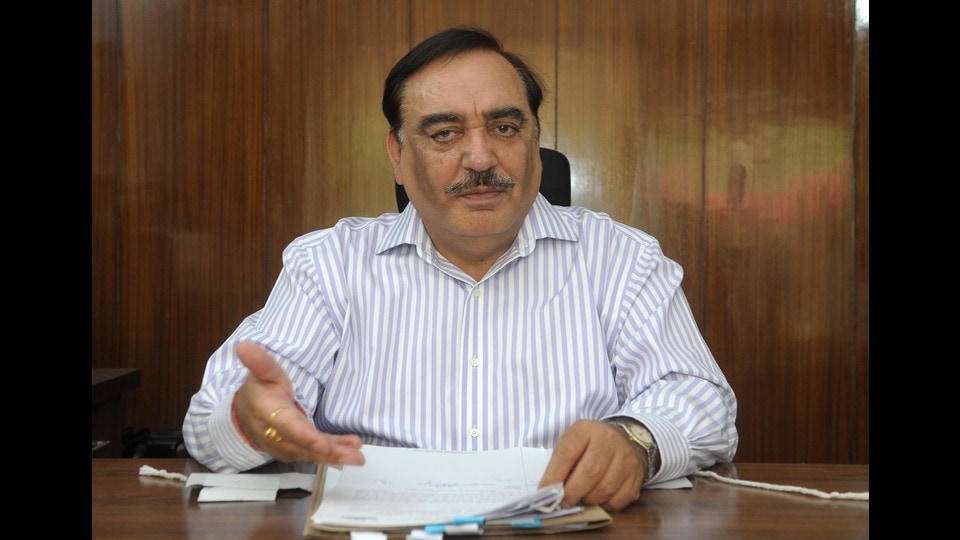
Haryana’s national capital region (NCR) districts get impacted due to the spread of coronavirus infection in Delhi. Though the fresh surge of virus this time started in the northern districts, Gurugram, and Faridabad in NCR got impacted the moment the virus surged in Delhi. Additional chief secretary, health, Rajeev Arora in an interview said the situation in NCR districts is pretty much akin to what is happening in Delhi. He also spoke about government’s strategy and preparedness to contain the virus spread. Excerpts:
What contrast do you see in the first and second waves in terms of people’s behaviour?
The latest surge has broken a lot of myths. The drastic decrease of cases in January-February and introduction of vaccine gave a false sense of confidence to people, leading to recklessness. People thought everything is hunky-dory and the virus is now gone for good. That’s why this time the level of panic reaction is far more than in earlier cases. It may be a while before a major part of the population is vaccinated and only then one can make any authentic observation.
Infections are at an all-time high not only in NCR, but the virus is also spreading towards north as well.
Definitely, the numbers are looking frightening and belying all projections. But I’m sure that within 7-10 days, the infections will start stabilising as already happened in Kurukshetra, Karnal and Ambala.
With limited restrictions in place, the challenge to control the spread has become bigger. What’s your strategy?
In the last 15 days, the restrictions have been increased over the mobility of people. Gatherings of all kinds have been capped; schools have been shut down. The fresh surge in northern districts started from schools in Karnal and Kurukshetra. There were more than 1,500 cases only in schools and those would have a multiplier effect on their families. So, these curbs will help in checking the spread.
But are curfews and lockdowns an answer?
What we need more is self-imposed restrictions. Self-discipline has taken the countries through.
NCR districts are scoring high on infection rate. Is there a specific strategy for them?
Besides, the traditional strategy, we now have the vaccine. Both these districts have performed very well in terms of vaccination. The fatality rate this time is lower than the previous surge in the NCR when the number of cases was comparatively less. The latest guidelines for Covishield vaccine provide for second jab to be administered at 8-12 weeks. This means the first dose of vaccine will be available to more people. It will definitely have an impact.
How much is the bed capacity in the state and ventilators? Are you planning to increase the capacity?
See almost 70-75% of the active cases are in home isolation. Home isolation protocols have played an important role for us. As of now, we are managing well. We have ensured oxygen availability for every bed in government medical institutions. Most of the government hospitals in districts have been provided with ventilators and trained manpower. In the last four days, we vaccinated 6.37 lakh individuals.


