
 E-Paper



Flood waters pose risk to livestock health: Vet varsity experts
Flies and mosquitoes, thriving in floodwater, can transmit diseases like Bovine ephemeral fever and other vector-borne illnesses to dairy animals


Experts from Guru Angad Dev Veterinary and Animal Sciences University have advised livestock farmers in the state regarding the challenging conditions caused by the incessant rains and flood waters inundating multiple parts of the region. The floodwater poses a significant risk to animal health, increasing the likelihood of infectious and parasitic diseases among livestock. The rise in the parasites and disease-carrying vectors, such as mosquitoes, flies, leeches, and ticks, can have adverse effects on animals.
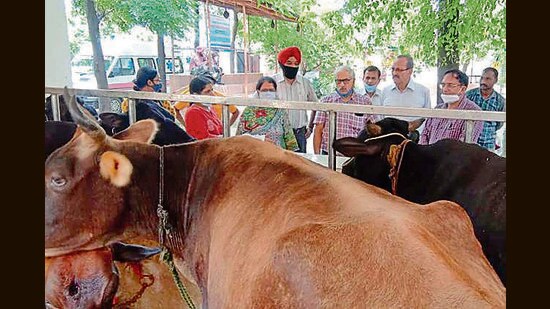
“There is also the risk of lameness in dairy animals owing to the foot rot due to damp flooring. Dip the hooves of the animals in a 5% formalin solution to reduce the incidence of foot rot. Increase in humidity in the sheds may also increase the incidence of Hemorrhagic Septicemia and Mastitis. After milking, teats should be dipped in a solution of 3:1 part of betadine and glycerine to reduce the incidence of mastitis. Vaccination of animals is necessary to protect them against Lumpy Skin Disease and Hemorrhagic Septicemia,” advised varsity experts.
Flies and mosquitoes, thriving in floodwater, can transmit diseases like Bovine ephemeral fever and other vector-borne illnesses to dairy animals. Effective management practices are crucial to prevent the proliferation of these parasites. Additionally, cattle are at risk of tick-borne infections, such as Babesiosis, Anaplasmosis, and Theileriosis. It is recommended to repair cracks or gaps in animal sheds, followed by the application of suitable acaricides under expert guidance to control ticks.
The advisory shared by the vet varsity stated moisture affects the quality of feed and dry fodder by promoting the growth of mold, which can lead to poisoning. Efforts should also be made to protect the feed from moisture and mold growth. Lack of fodder can also reduce the immunity of the animals thereby making them vulnerable to infectious agents. A combination of vitamins and minerals may prove beneficial in consultation with experts to increase the immunity of animals.
Gastric parasites transmitted through contaminated water can cause jaundice and diarrhoea in animals. It is important to enclose animals at a safe distance from stagnant water and administer deworming treatments as required, under the supervision of veterinary officers.


