
 E-Paper



From Sukhna Lake to Rock Garden: Chandigarh tableau set to shine at Bharat Parv
Chandigarh’s tableau design was selected by a committee headed by Rajiv Tiwari, director of the UT department of public relations


For the first time, Chandigarh’s tableau will be showcased at Bharat Parv 2026, to be held at the Red Fort in New Delhi from January 26 to 31. The event is being organised by the Union ministry of tourism as part of Republic Day celebrations and will feature Republic Day tableaux, regional cuisine displays and sales, handicrafts and handlooms, cultural and heritage performances, stalls by Central ministries, and a dedicated citizen engagement zone.
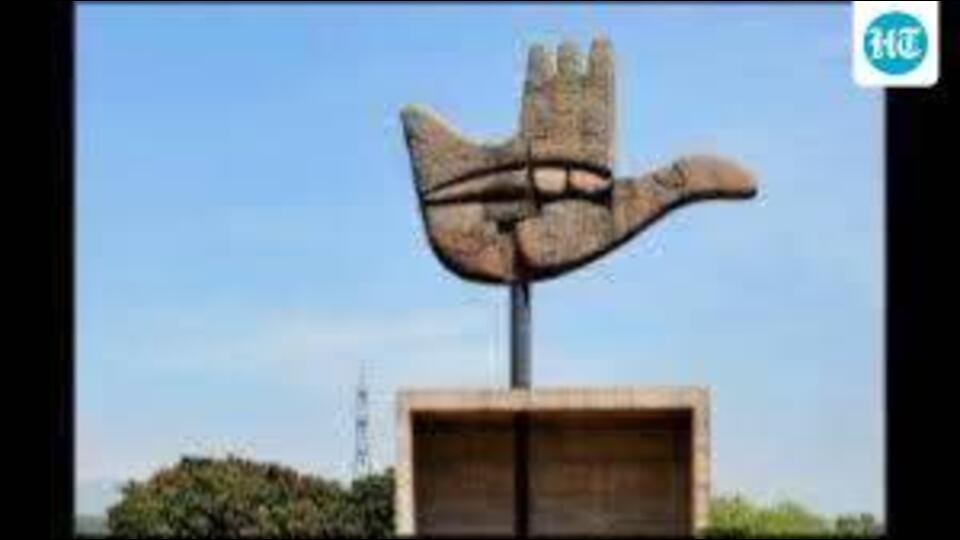
Chandigarh’s tableau design was selected by a committee headed by Rajiv Tiwari, director of the UT department of public relations. The tableaux on display will represent Chandigarh, Ladakh, Arunachal Pradesh, Bihar, Delhi, Goa, Jharkhand, Karnataka, Tripura, Uttarakhand, and the Defence Research and Development Organisation (DRDO).
The design presents Chandigarh as a harmonious blend of heritage, nature, innovation, and public spirit. It brings together the city’s iconic landmarks and cultural ethos, portraying Chandigarh not merely as a planned city but as a living, breathing urban space where art, ecology, and community coexist.
At the front, the tableau transitions into a solemn tribute with a representation of the Chandigarh War Memorial. The elegant sculptural form, mounted on a tiered stepped pedestal, honours the bravery and sacrifice of thousands of soldiers from Punjab, Haryana, Himachal Pradesh, and Chandigarh who laid down their lives for the nation. A UT official said the memorial underscores the city’s deep respect for its martyrs and its role in nurturing national pride.
The side front highlights Chandigarh’s vibrant sports culture through an energetic depiction of kayaking at Sukhna Lake, symbolising youth power, adventure, and the city’s close connection with water. The shimmering water body, bordered with stone textures, reflects the lake’s serene yet lively character as a centre of recreation and wellness.
At the rear, a striking visual of the Rock Garden waterfall rises prominently, celebrating the artistic legacy of Nek Chand. The cascading water and sculpted stone structures, along with Rock Garden figurines, emphasise creativity, recycled art, and sustainable imagination.
The central space showcases the city’s green heritage with lush landscaping, a bird-filled tree in mid-flight, and people interacting within the setting—symbolising citizen engagement and the human-centred urban planning envisioned by Le Corbusier. Overall, the tableau narrates Chandigarh’s story as a city of balance, where art meets architecture, nature meets modernity, and culture meets civic responsibility.


