
 E-Paper



Haemorrhagic fever behind 7 of Ludhiana’s 13 dengue-related deaths
Dengue Haemorrhagic fever or shock syndrome is a severe condition marked by blood vessel damage, reduced platelet counts, and can lead to shock, internal bleeding, organ failure, and, ultimately, death

 Prefer HTon Google


Dengue Hemorrhagic fever has been identified as the cause of death in seven out of the 13 suspected dengue-related fatalities in the district, with the youngest victim being just 19-years-old, hospital records show.
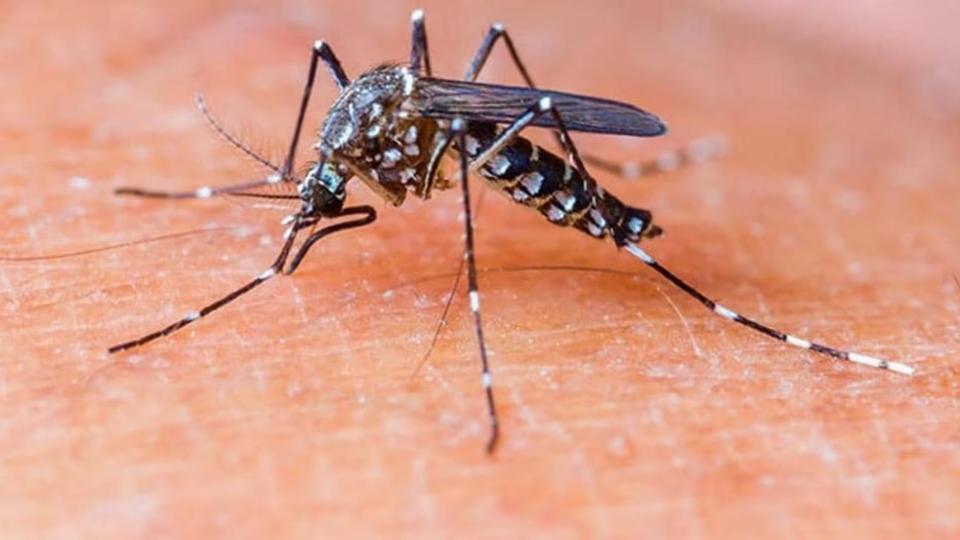
Dengue Haemorrhagic fever or shock syndrome is a severe condition marked by blood vessel damage, reduced platelet counts, and can lead to shock, internal bleeding, organ failure, and, ultimately, death.
Over the past two months, a total of 13 suspected dengue patients have lost their lives. All of these patients were admitted to prominent private hospitals in the city.
According to investigation reports from these hospitals, the primary cause of death in seven cases was the fever. It is characterised by a rapid drop in platelet counts, resulting in plummeting blood pressure, internal bleeding, plasma leakage, and complications involving the heart and liver. The patient experiences a gradual loss of consciousness, with serious effects on multiple organs.
The health officials have yet to officially confirm any deaths directly attributable to dengue in the district. However, health experts have underscored the gravity of dengue-related fatalities.
Dr Amit Bery, a medical expert from Dayanand Medical College and Hospital, stressed that fever is the most severe manifestation of dengue. Its severity is influenced mainly by patients often resorting to self-medication and disregarding warning signs of dengue.
“Patients frequently turn to self-medication, using medications that can be potentially harmful. Prolonged use of medicines without medical guidance can exacerbate the complications associated with dengue. Additionally, some individuals avoid seeking hospital care, even when experiencing dengue-related complications, potentially worsening their overall health,” Bery said.
“Recognizing the warning signs is essential. Patients with pre-existing conditions, such as diabetes, high blood pressure, heart, kidney, or liver diseases, or a history of dengue, should exercise extra caution.,” he added.
The district continues to battle a significant surge in dengue cases, with ten new positive cases reported on October 31, 2023. The total number of confirmed dengue cases in the district now stands at 742. The latest cases are evenly divided, with five arising from urban areas and five from rural regions, underscoring the widespread nature of the outbreak.


