
 E-Paper



Kharif season 2022: Only 5% land covered under DSR in Ludhiana
Direct seeding of rice (DSR), which aims to preserve underground water, has received poor response from farmers in Ludhiana, as only 4,500 acres of land have been brought under this technique against the target of 89,549 acres

 Prefer HTon Google


Direct seeding of rice (DSR), which aims to preserve underground water, has received poor response from farmers in Ludhiana, as only 4,500 acres of land have been brought under this technique against the target of 89,549 acres. Last year, paddy was sown on 10,000 acres using this technique.
The state government has now extended the deadline for farmers to opt for DSR from May 31 to June 30.
Punjab planned to bring 12 lakh hectares under DSR this year, but only 72,000 hectare has been covered under the new technology so far.
Farmers have highlighted three main factors which are discouraging them from opting for the new technology.
Firstly, due to the low wheat yield in the rabi season, they are not in a position to take a risk, said Harinder Singh Lakhowal, a farmer union member. He added that instead of guaranteed 10-hour power backup, fields have been getting power supply for three hours, which is making it problematic to irrigate the field before sowing the crops through DSR technology.
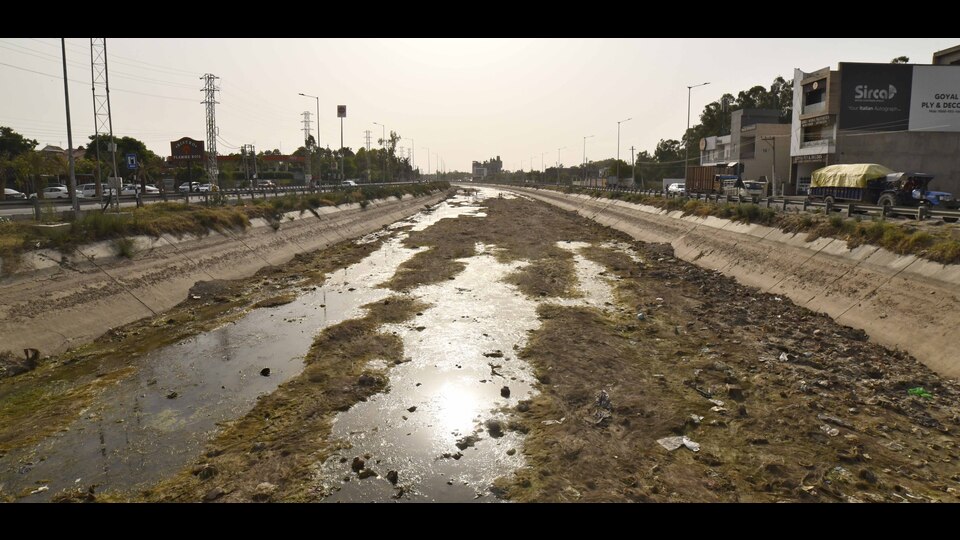
Farmers in Doraha area said that canals have also run dry due to maintenance of a breach in Sirhind feeder canal.
Chief agricultural officer Narinderpal Singh Benipal said,“ Farmers have raised the issue erratic power supply and no water from Sirhind feeder canal. We have shared all these concerns with the authorities and demanded a timely resolution,” said Benipal.
Harminder Singh, a progressive farmer from Raikot, said lack of support from government institutions, particularly the electricity and irrigation departments, is discouraging farmers from opting for the new technology.
“The government appears to have washed its hands off by offering an incentive of ₹1,500 per acre to the farmer for growing crops using DSR. In order to make the technology successful, government officials have to send staff at the ground level to address the issues being faced by farmers,” said Grewal.
Another major factor is the lack of extension education as experts are not reaching out to farmer to teach them the right DRS techniques. Because of this, they are being forced to try and learn by watching videos on YouTube.
MS Bhullar, head, department of agronomy, while expressing concern over the depleting groundwater in Punjab, urged farmers to adopt the DSR technology without fear. He said, “DSR technology saves water needed for irrigation to a large extent and solves labour shortage problem also.”
He added that instead of falling into the trap of self-proclaimed DSR experts on YouTube, farmers can reach out to him directly (982811350) or watch the videos on DSR on the official handle of Punjab Agricultural University.


