The debate over ethanol blended petrol has spilled into Punjab’s poultry sector, with farmers claiming that the price of key poultry-feed ingredients has surged sharply over the past three months, pushing up the cost of egg production and raising fears of another increase in retail egg prices.
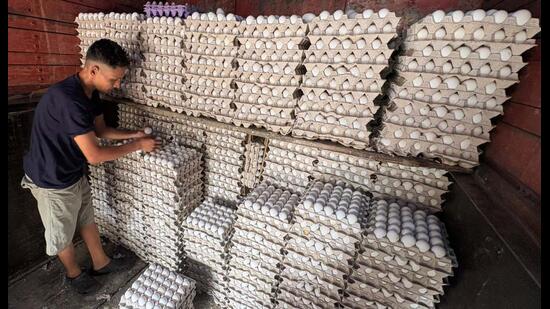
Poultry farmers say the price of maize, one of the primary ingredients used in poultry feed, has risen substantially, while rates of other feed components such as pearl millet and soybean have also climbed. The rising input costs are now squeezing poultry farmers at a time when consumers are already dealing with higher prices of several essential commodities.
Mohinder Arora, chairman of the Progressive Poultry Farmers Association, Punjab, said the price of maize had increased from around ₹2,000 to ₹2,500 per quintal, while pearl millet (bajra) had risen from around ₹2,000 to ₹2,350 per quintal. He attributed the sharp increase in maize prices to higher demand and market activity amid the ongoing discussion surrounding the use of maize for ethanol production. Despite the rise in feed costs, Arora said egg prices had so far remained relatively stable.
In the market an egg that was selling for around ₹6 in the retail market before the monsoon has already touched ₹7, he said, adding that further pressure on production costs could eventually be reflected in retail prices. The sector has already gone through a difficult summer, when high temperatures and diseases among birds affected egg production. Arora said production remained low during the season, leading to a temporary rise in egg prices.
{{/usCountry}}In the market an egg that was selling for around ₹6 in the retail market before the monsoon has already touched ₹7, he said, adding that further pressure on production costs could eventually be reflected in retail prices. The sector has already gone through a difficult summer, when high temperatures and diseases among birds affected egg production. Arora said production remained low during the season, leading to a temporary rise in egg prices.
{{/usCountry}}Jasmeet Dango, president of the association, said poultry farmers across Punjab were feeling the impact of rising feed prices. The association represents more than 400 poultry farms in the state, he said. According to Dango, the increased cost of feed has pushed the production cost of a single egg to nearly ₹5.50, leaving farmers with limited room to absorb any further increase in input prices.
The poultry sector fears that if feed costs continue to rise, farmers may have no option but to pass on the additional burden to consumers. Any further increase in egg prices could add to the pressure on household budgets, particularly as consumers are already facing higher prices of sugar and vegetables.