
 E-Paper



Ludhiana: Residents face rush at hospital pharmacies as over 3,200 shops remained shut amid stir
Chemist shops located around the civil hospital and pharmacies functioning inside major healthcare facilities handled most of the emergency demand

 Prefer HTon Google


Access to medicines was disrupted across Ludhiana on Wednesday after nearly all of the city’s 3,253 registered chemist shops downed shutters during a one-day nationwide strike called against online sale of medicines and alleged predatory pricing practices by e-pharmacy platforms.
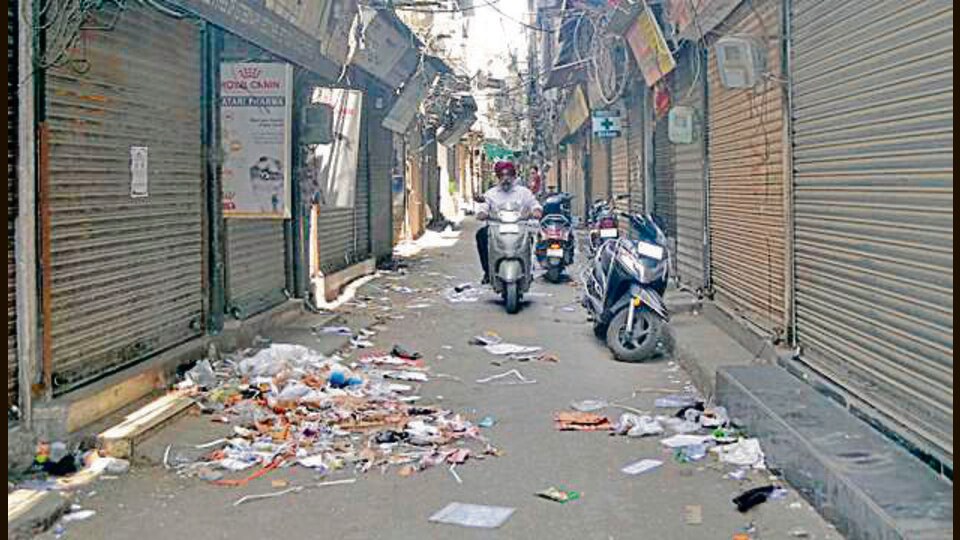
The bandh, organised by the All India Organisation of Chemists and Druggists and supported locally by the Punjab Chemists Association (PCA), triggered inconvenience for thousands of residents, particularly patients dependent on daily medication for chronic ailments such as diabetes, hypertension and cardiac conditions.
With standalone pharmacies remaining shut across most localities, residents were seen moving from one area to another in search of open medical stores, while hospital-based pharmacies witnessed heavy rush and overcrowding throughout the day.
Although several pharmacies operating within hospitals and healthcare institutions continued functioning to cater to emergency requirements, sources said drug stores at Christian Medical College and Dayanand Medical College and Hospital remained closed till around noon before reopening later in the day.
Chemist shops located around the civil hospital and pharmacies functioning inside major healthcare facilities handled most of the emergency demand.
The strike severely affected routine medicine purchases, with many residents reporting long waiting hours at the limited number of operational pharmacies.
GS Chawla, district president of the Chemist Association, said the protest formed part of a nationwide agitation against what traders termed unregulated online medicine sales and deep discounting by e-pharmacy companies. “We are observing a one-day strike, though emergency arrangements have also been kept in place. Emergency contact numbers were displayed outside some shops while routine business operations remained suspended during the protest,” he said.
Residents said the sudden closure caused significant hardship, especially for elderly patients and attendants seeking urgent medicines.
“I had to visit two different hospital areas before finding an open pharmacy for my child’s medicines. Almost all nearby chemist shops were shut,” said Amanpreet Singh, a resident of BRS Nagar.
Meenakshi Gupta, a resident of Jawaddi, said many people were caught unprepared due to lack of prior information regarding the strike.
“Patients dependent on daily medication suffered the most. Hospital pharmacies were overcrowded, and it took a long time to get medicines,” she said.
Chemist associations said the protest was aimed at pressing the government to introduce stricter regulation of online medicine sales, curb alleged predatory pricing practices and address irregularities in the e-pharmacy sector. The associations also expressed concern over the alleged online sale of habit-forming drugs without proper prescription verification.
The PCA further opposed the proposed Online National Drugs Licensing System, arguing that Punjab already has an established monitoring mechanism for regulating drug sales and distribution. Several trade bodies, medical representatives and members of the Indian Medical Association also extended support to the strike.


