
 E-Paper



No overcrowding in Chandigarh jail, but 67% undertrials choke system
As per the NCRB report, Chandigarh belongs to a very small group of states and UTs where the prison population is under control

 Prefer HTon Google


At a time when most of the Indian prisons are bursting at the seams, Chandigarh stands out for not being overcrowded. The city’s jail recorded an occupancy rate of 95.4% in 2023 — below the national average of 120.8% — according to the Prison Statistics India 2023 report released by the National Crime Records Bureau (NCRB) on Tuesday.
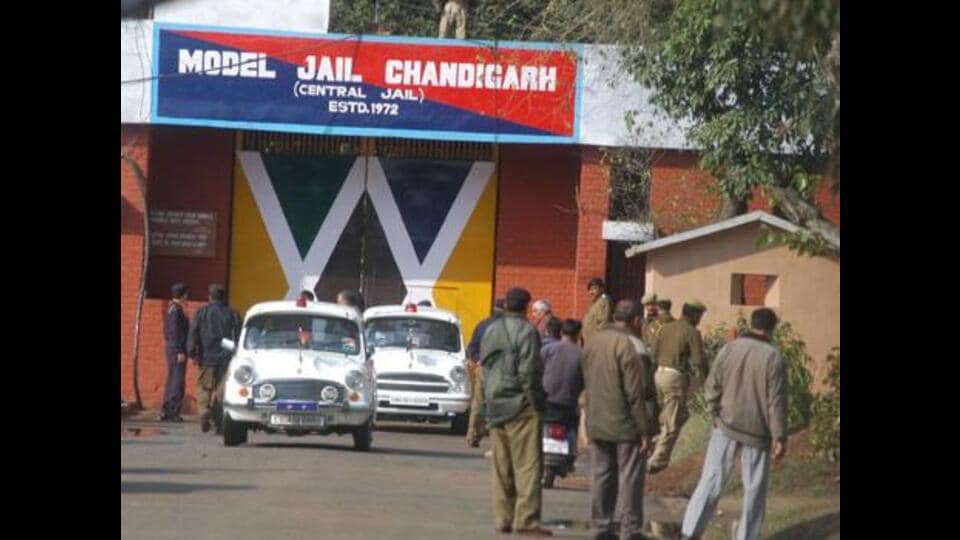
As per the NCRB report, Chandigarh belongs to a very small group of states and UTs where the prison population is under control. In Andhra Pradesh, the occupancy rate is at 89.3%, Tamil Nadu stands at 81.1%, Odisha is at 73.7%, followed by Telangana at 72.8%. Tripura and Nagaland have an occupancy rate of 56.6% and 39.7%, respectively.
In contrast, Delhi’s jails were crammed at 200.2% occupancy, while Meghalaya (188.7%), Uttarakhand (183.1%) and Maharashtra (155.3%) reported some of the worst levels of overcrowding in the country.
Absence of overcrowding does not translate into efficiency
Nearly 67.2% of Chandigarh’s inmates are undertrials, mirroring India’s larger crisis where 73.5% of prisoners are still awaiting trial. The numbers expose how the absence of overcrowding does not translate into efficiency and the city’s prison functions more like a holding cell for delayed trials than a correctional institution.
Some states have managed better — in the Andaman and Nicobar Islands, convicts make up 55% of the prison population, while Madhya Pradesh (50%) and Arunachal Pradesh (52.2%) also report higher conviction ratios.
Petty offences, endless wait
The offence-wise data shows how petty offenders bear the brunt of judicial delays. Thefts form the single largest block in Chandigarh’s jail with 176 inmates, yet only 29 have been convicted, while 147 continue to languish as undertrials. By contrast, serious crimes such as murder (140 inmates: 67 convicts, 73 undertrials) and rape (139 inmates: 65 convicts, 74 undertrials) more frequently result in convictions. The NDPS Act also contributes heavily with 161 inmates (63 convicts and 98 undertrials), reflecting the city’s persistent drug problem.
From youthful arrests to middle-aged convictions
The age profile of inmates exposes another deep fault line. Nearly 62% of undertrials are between 18–30 years, showing that young adults dominate arrests. Yet, 49% of convicts are in the 30–50 age bracket, meaning many enter prison in their youth but are only convicted years later — often crossing into middle age. This stark shift underscores how judicial delays effectively age prisoners behind bars.
Adding to this, 43% of inmates have studied only up to Class 10 or below, indicating low education levels among offenders, while 54% are Chandigarh residents, suggesting most crime feeding the jail system is locally rooted.


