
 E-Paper



Passengers suffer as contractual bus staff continue strike in Mohali
The striking employees are demanding regularisation of their jobs; their other demands include addition of new buses to the fleet, stopping the kilometre scheme buses, curbing transport mafia, and increasing wages for drivers, conductors and other staff


Passengers in Chandigarh and Mohali were on the receiving end on the second day of the strike by the contractual employees of Punjab Roadways and PEPSU Road Transport Corporation (PRTC). The three-day strike began on Monday and will conclude on Wednesday.
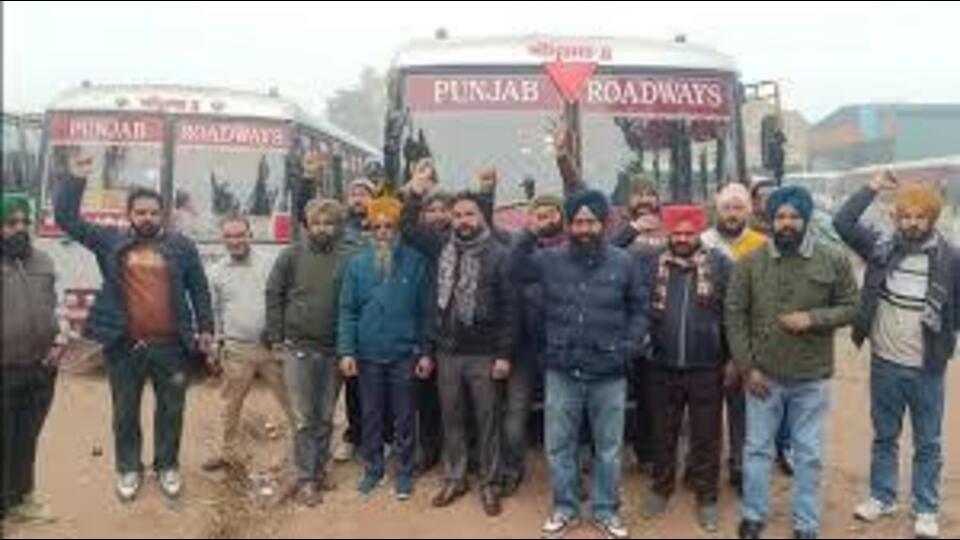
Most government buses remained off the roads at the Baba Banda Singh Bahadur Inter-State Bus Terminus (ISBT), Phase 6, Mohali, leaving the passengers stranded. Similarly, at the ISBT in Sector 43, Chandigarh, passengers were seen waiting for buses, unsure of when they would arrive.
Bhanu Pratap Singh, a passenger from Gurdaspur, who had come to Chandigarh for a doctor’s appointment, said, “I had to struggle to find a bus to my hometown for two hours. Very few buses are operating, and the ones that are running are overcrowded. Private buses are too expensive.”
Meanwhile, private bus operators took full advantage of the situation by picking up passengers directly from outside the bus stands.
The strike has also impacted daily women commuters who travel free of cost from periphery areas for work in the city.
Navjot Kaur, a Mohali resident trying to get to Kurali from ISBT Sector 43, said, “PRTC buses are free for women, but now I have to rely on private buses offering high ticket prices.”
Kamaljit Kaur, a Chandigarh resident who works in Ropar, added, “I had to face a lot of inconvenience during the past two days. As I couldn’t find a Punjab Roadways bus, I had to opt for private buses, incurring high expenses.”
The striking employees are demanding regularisation of their jobs. Their other demands include addition of new buses to the fleet, stopping the kilometre scheme buses, curbing transport mafia, and increasing wages for drivers, conductors and other staff.


