
 E-Paper



Punjab assembly likely to take up Prisons Bill on May 1
The new legislation, likely to be taken up in special session on May 1, modelled on the Model Prisons and Correctional Services Act, 2023, prepared by the Union home ministry, will mark a significant shift to a reformative and technology-driven correctional system, aligning prison management with modern security needs and human rights standards


The Punjab government is likely to table a new Prisons Bill in the one-day special assembly session on May 1, aiming to replace the colonial-era Prisons Act, 1894, to overhaul the state’s prison administration.
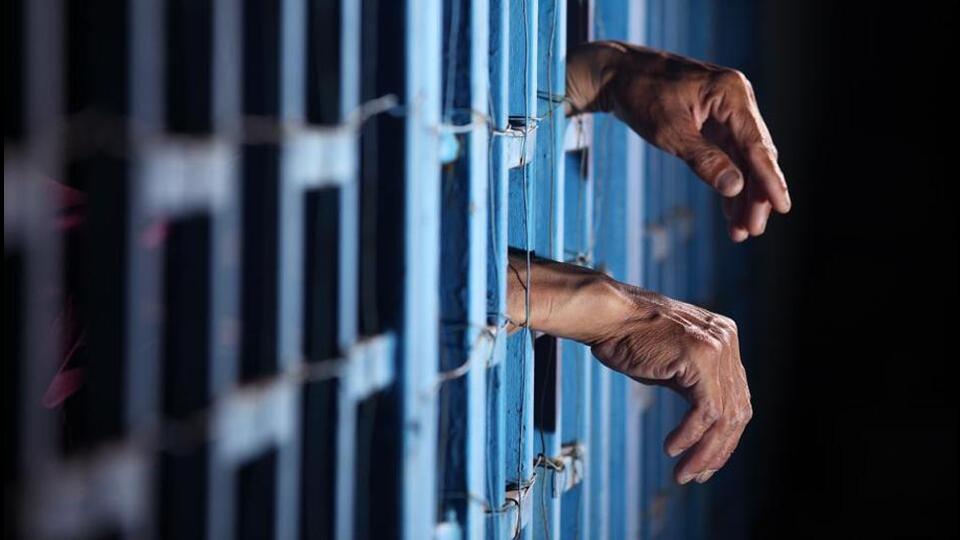
The new legislation, modelled on the Model Prisons and Correctional Services Act, 2023, prepared by the Union home ministry, will mark a significant shift to a reformative and technology-driven correctional system, aligning prison management with modern security needs and human rights standards.
According to a senior Punjab government official, the existing legal framework, rooted in the 1894 law, is outdated, custodial in nature and lacks focus on rehabilitation, transparency and emerging security challenges such as organised crime and drone-based contraband smuggling.
What will change inside Punjab’s prisons
The proposed law seeks to transform prisons into correctional institutions by emphasising reformation, rehabilitation and reintegration of inmates into society, while ensuring their dignity and basic human rights.
At the same time, it aims to strengthen internal security, improve administrative efficiency and introduce accountability mechanisms.
A key feature of the bill is the adoption of a correctional approach, with humane treatment standards and structured rehabilitation programmes.
It also provides for the creation of high-security zones to segregate hardened and high-risk criminals, preventing them from influencing other inmates.
“The experiment has been done already in two high security prisons and will be followed in all prisons after this new law,” said a senior government official.
Scientific classification of prisoners, AI-powered surveillance
The legislation also proposes scientific classification of prisoners based on age, gender, behaviour, health and risk profile, with separate facilities for women, transgender persons, elderly and sick inmates.
Special provisions have been included for women prisoners, including dedicated enclosures, deployment of women staff and care for pregnant inmates and children up to six years of age.
Technology integration forms a core component of the reform, with provisions for AI-enabled CCTV surveillance, biometric identification, RFID tracking, video conferencing for court production and anti-drone systems.
The prisons will also be integrated with national platforms such as e-Prisons and the Interoperable Criminal Justice System (ICJS).
Tighter security measures
To bolster security, the bill provides for the creation of an internal intelligence wing within prisons, staff rotation in sensitive postings and stricter measures to curb the entry of contraband.
Clear standard operating procedures (SOPs) have been laid down for admission, transfer, search and release of inmates, along with enhanced escort and anti-escape protocols.
The welfare of prison staff has also been addressed through provisions for regular training and the establishment of a dedicated welfare wing. Inmates’ healthcare will be strengthened through prison hospitals, regular screening for diseases such as tuberculosis and HIV, and the establishment of de-addiction centres.
Structured post-release rehab
The bill further focuses on education, vocational training and cultural activities to improve inmates’ prospects post-release.
It introduces structured prison labour with wages linked to skill levels, and expands the concept of open and semi-open prisons to facilitate gradual reintegration.
For post-release rehabilitation, after-care programmes have been proposed to support former inmates and reduce repeat offences.
The law also defines prison offences such as escape attempts, possession of contraband and threats, prescribing stricter penalties that will run consecutively to existing sentences, thereby enhancing deterrence.
In box: Beyond bars: Five key shifts
The new law moves from a custodial system (containment and retribution) to correction, rehabilitation and reintegration
AI-based surveillance, biometrics, RFID tracking and anti-drone systems for stronger prison security
High-security zones, intelligence wing and strict anti-contraband measures
Better healthcare, prisoner classification, and special provisions for women and vulnerable groups.
Focus on reformation and rehabilitation with skill development, prison wages, open prisons and post-release support.


