
 E-Paper



Spice of Life: A nostalgic nugget of wisdom from Mizoram
Societal practices evolve in response to prevailing conditions. Not serving snacks to individual customers in separate plates, like in the plains, is actually a water management practice in Mizoram.


I have innumerable nostalgic moments of 31 years of residing in Mizoram still fresh in my mind. One of them is a humorous reminiscence, and it always makes me laugh. It’s of the day of my joining as a lecturer at Pachhunga University College, Aizawl, a constituent college of the North-Eastern Hill University, Shillong.
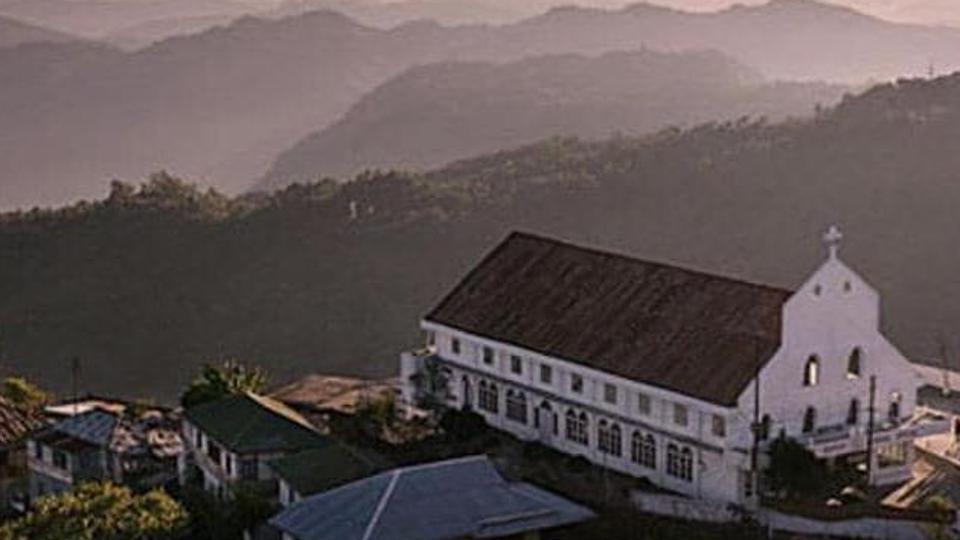
I knocked at the door of professor Saingenga, the then principal, on the afternoon of April 12, 1984, after submitting my joining report. The soft-spoken and graceful principal, while welcoming me, called an attendant and said something gently to him in Mizo. Minutes later, the attendant placed a plate full of Mizo snacks, including nimkee, lawng and paratha, and a cup of tea before me. Surprised to see a plate full of eatables in front, I was at loss for words as in our region (Rewa, Madhya Pradesh), leaving any stuff on the plate offered is considered impolite. I started eating but it was difficult as I had had lunch a short while ago. Moreover, the snacks were new for my tastebuds. Thinking that the principal would be unhappy if I wasted the snacks, I struggled to consume them. His constant look egged me on and I polished off the plate.
The next day, I visited a nearby canteen for the first time with my colleagues. We were served snacks and tea. Once we finished the tea and enjoyed snacks, the woman attendant took back the plates with the leftovers. I told my colleagues that the canteen owner would charge us for all snacks served even if we had not consumed them because he could not serve leftovers to other customers. My colleagues asked me not to worry as the owner would charge us only for the stuff we had consumed and the rest would be put back in stock.
I wondered how the canteen owner could keep a count of what we had consumed. So, when one of our colleagues went to the counter to make the payment, I followed him. My colleague paid up without any discussion. I decided to narrate what had happened with me in the principal’s chamber the previous day. Everyone had a hearty laugh and shared the incident with others to prove my ignorance.
In order to understand this excellent management practice, I discussed the issue with one of my colleagues with whom I had built a rapport. He narrated how the women who served the snacks and tea counted the pieces consumed on each plate before serving customers and after use. This way, the number of snacks consumed is arrived at and the customers are asked to pay accordingly. I noticed this practice throughout Mizoram until March 2015 when I had to leave the state for assuming responsibility as the vice-chancellor of Dr Harisingh Gour Vishwavidyalaya, Sagar, Madhya Pradesh.
Upon enquiring with my Mizo friends, I learnt the practice continues. The efficacy of this tradition is that most of the time, there is no dispute or argument between the owner and the customers. It shows the mutual trust and respect that prevails in Mizo society. Societal practices evolve in response to prevailing conditions. Not serving snacks to individual customers in separate plates, like in the plains, is actually a water management practice in Mizoram, which has witnessed acute scarcity of the natural resource in the past. This also ensures that every snack cooked is used.
Likewise, several other practices in Mizo society centre around optimal utilisation of resources. This is a reflection of empathy, communityship and confidence Mizo society has among its people. A salute to the memory of the workers in the canteens who meticulously remember the pieces of eatables consumed by customers day after day.
The writer is vice-chancellor, Central University of Punjab, Bathinda


