Unseasonal rain, gusty winds and sharp temperature fluctuations during the flowering and fruit-setting stages have led to a decline in mango production in Himachal Pradesh this year, with major fruit-producing belts recording a significant drop in output.
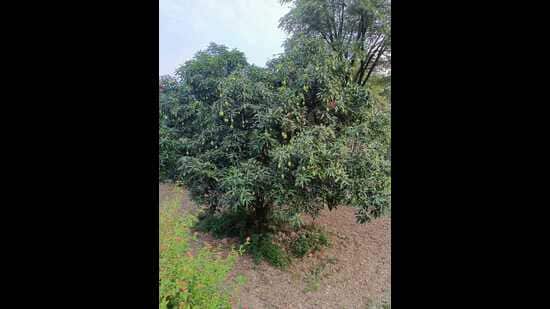
According to officials, the weather disruptions during March and April affected flowering and fruit-setting. Optimal conditions for mango cultivation require dry, sunny weather and warm temperatures. At the same time, high humidity and rain during the flowering and fruit-setting stage can trigger diseases and drastically reduce yields.
Often referred to as the “king of fruits,” mango is primarily cultivated in the lower areas of Himachal, especially in Kangra district, where it is a major crop grown over approximately 22,000 hectares. It is also cultivated in other parts, including Una, Hamirpur, Bilaspur, Sirmaur and parts of Mandi.
The main mango varieties grown in Kangra are Dashehari, Langra and Chausa. The horticulture department is also promoting new hybrid mango varieties such as Pusa Arunima, Pusa Lalima, Pusa Surya, Pusa Shreshtha, Malika and Amrapali.
Kangra, the state’s largest mango-producing district, has recorded a sharp fall in production this year. According to details shared by the horticulture department, the production fell to 14,552 metric tonnes (MT), from 23,721 MT produced last year. The 2025 output was also higher than 22,350 MT recorded in 2024.
{{/usCountry}}Kangra, the state’s largest mango-producing district, has recorded a sharp fall in production this year. According to details shared by the horticulture department, the production fell to 14,552 metric tonnes (MT), from 23,721 MT produced last year. The 2025 output was also higher than 22,350 MT recorded in 2024.
{{/usCountry}}Kangra deputy director (horticulture) Alaksh Pathania said the weather conditions were not optimal during the early spring season this year. “Early spring temperature fluctuations and untimely rainfall and hail storms during March-April weakened flowering and affected fruit-setting, causing widespread fruit drop. This highly sensitive period requires optimal dry conditions; instead, the damp environment weakened the blossoms and severely hindered proper fruit-setting,” he said.
According to experts, mango flowering typically occurs from the first to the third week of March, and fruit setting takes place from the last week of March through April. While the main harvest concludes in July, specialised late-season varieties are typically harvested through August.
Hamirpur, another major mango-growing district, has also recorded a decline in output.
Mango is cultivated on around 3,500 hectares, with production falling to 1,200 MT this year from 1,600 MT last year.
Officials said that the flowering was good, but weather conditions did not remain favourable and affected the crop during the fruit-setting period. The weather also favoured the spread of powdery mildew (Pseudoidium anacardii), a major fungal disease, further affecting mango yields.
Deputy director (horticulture), Hamirpur, Rajeshwar Parmar, said that from next year, the department will focus on late-maturing and high-colour strain varieties like Pusa Arunima, Pusa Shreshtha and Malika. “These varieties fetch good prices and can boost the farmers’ economy,” he said.
Una district, where mango is grown over 2,300 hectares. The estimated production this year is around 2,000 metric tonnes, which is significantly lower than 8,990 MT produced last year.
Una deputy director (horticulture), Kamlesh Kumar Bhardwaj, said unseasonal rainfall during the flowering stage of mango trees led to blight disease affecting the flowers.
“During flowering, weather conditions need to be clear, with neither low temperatures nor heavy rainfall, as these conditions promote fungal diseases and affect fruit setting. Due to unseasonal rainfall, mango production in District Una has suffered an estimated 78% loss this year,” he said.