E-Paper



40 hectares around Asola’s Neeli Jheel to be redeveloped for visitors
Officials of the forest department said the area will be developed to promote eco-tourism and bird watching. An unmetalled (kutcha) road will be constructed to bring visitors all the way up to the lake in e-vehicles or golf carts.

 Prefer HTon Google


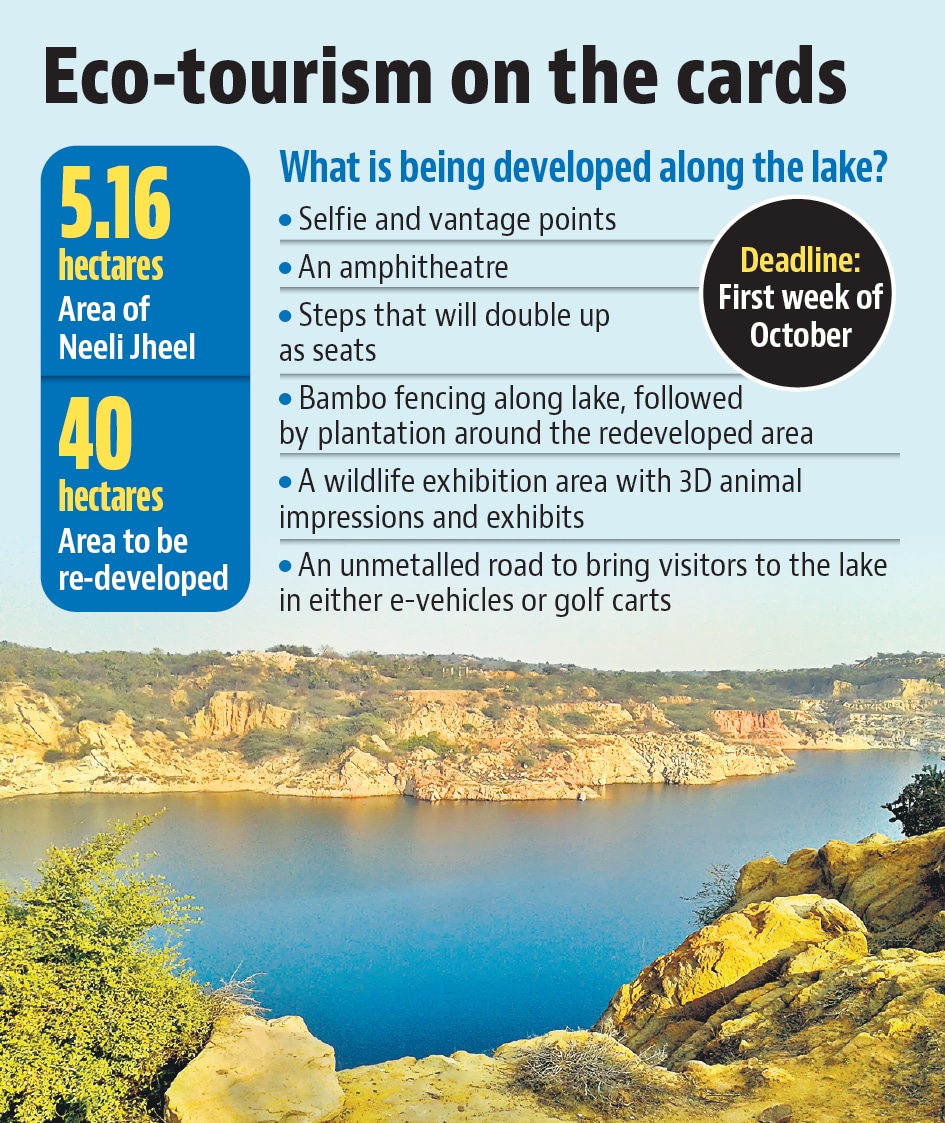
Neeli Jheel in the heart of the Asola Bhatti Wildlife Sanctuary will see considerable change in the next four months as the Delhi environment minister’s office on Thursday approved a redevelopment plan for 40 hectares of area around the 5.16-hectare lake, officials said. Work on vantage and selfie points, an amphitheatre, an animal exhibit and steps that will double up as seats for visitors is likely to commence next month, they added .
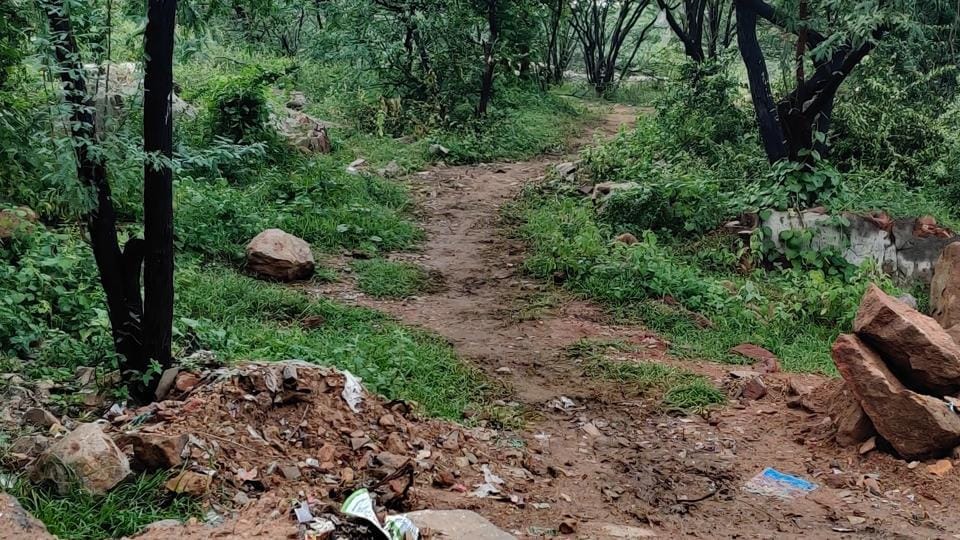
Officials of the forest department said the area will be developed to promote eco-tourism and bird watching. An unmetalled (kutcha) road will be constructed to bring visitors all the way up to the lake in e-vehicles or golf carts. “All materials used in development/construction will be eco-friendly. The area will have plenty of native trees and shrubs, with the parking area left unpaved so that groundwater recharge is not impeded. These vantage points will be ideal for visitors. We will create a 3D animal exhibit to educate visitors about the sanctuary and the animals found here,” said a senior forest official, on condition of anonymity.
Also Read | Delhi: Forest department digs to find proof of tree felling
Officials of the forest department said they hope to inaugurate the redeveloped area during Wildlife Week (October 2-8). “Delhi environment minister Gopal Rai has taken a personal interest in the project. We spent around two months on the plan to ensure that everything--from the landscaping to the materials used--was environment-friendly,” said an official, adding no activity will be permitted inside the actual lake.
“We do not want too many visitors at a time either, which may impact the wildlife negatively. Therefore, the number of visitors will be fixed, depending on the final area available,” a second official working on the project added.
According to the plan, fountains, lakes, a large lawn, eco-toilets and bamboo fencing along the edge of the lake are also part of the design. No shops are likely to be permitted in the area.
HT had, earlier this month, reported on a 45-km stretch of unmetalled periphery road along the Asola Bhatti Wildlife Sanctuary receiving approval from the Delhi government, which will act as both patrol passage and a loop corridor for visiting tourists.
Among the other additions planned to the sanctuary are watchtowers, with forest officials stating that too is likely to receive approval soon.