
 E-Paper



Coal shortage may hit power supply to hospitals, Metro, key services: Delhi govt
Delhi is experiencing abnormally high temperatures in April and the power demand of the city has increased by 34% since the beginning of the month, according to power utilities in the city.

 Prefer HTon Google


The Delhi government on Thursday said coal in two of the five stations it sources power from would last only about one or two days and requested the Central government to provide them with enough stock. The government’s appeal to the Centre came on a day when the Capital’s power demand crossed the 6,000 megawatts (MW) per day mark for the first time in the month of April. Delhi’s average peak power demand over the last three years is 4,500MW per day, officials said.
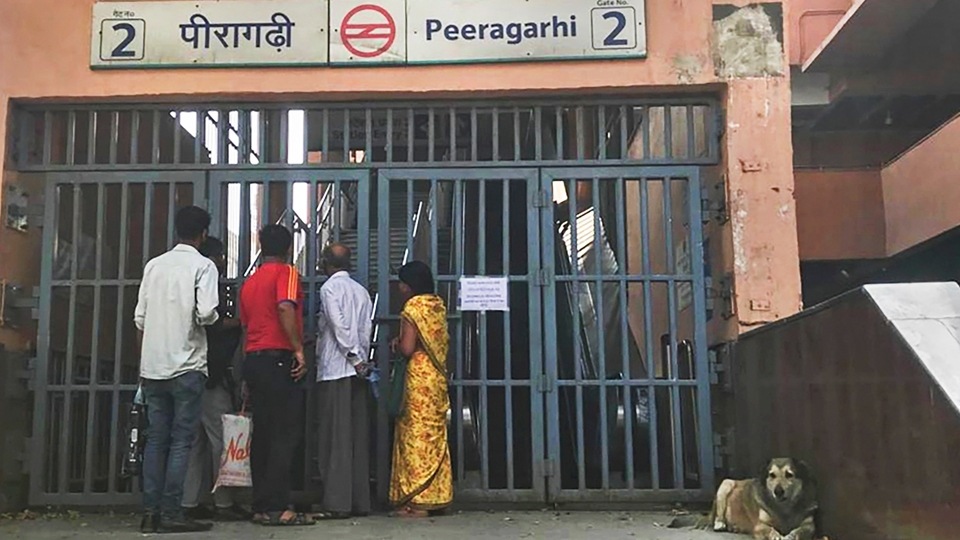
“Presently, 25%-30% of the electricity demand in Delhi is being met by five power stations around Delhi, which are facing a coal shortage. These power stations play an important role in preventing blackouts in some parts of Delhi and are also essential in ensuring the continuous supply of electricity to the Delhi Metro Rail Corporation (DMRC), hospitals, and several areas in the summer. The Delhi government has appealed to the Centre to intervene and provide the power plants with an adequate supply of coal to ensure that people in Delhi receive unrestricted 24-hour electricity supply,” state power minister Satyendar Jain said on Thursday.
Brutal heatwave sweeps India, mercury crosses 45 degree Celsius amid power crisis: 10 points
The Dadri-II, Unchahar, Kahalgaon, Farakka and Jhajjar power plants supply 1,751MW of electricity to Delhi per day. Delhi gets the maximum supply of 728MW from Dadri-II power station, and 100MW from Unchahar power station. According to information provided by the Delhi government, Dadri-II has a day’s worth of coal stock left; Unchahar has two days of stock; Kahalgaon has three-and-a-half days; Farakka has five days of stock left; and Jhajjar has around seven or eight days of stock left.
ain said National Thermal Power Corporation (NTPC)’s Dadri-II and Jhajjar (Aravalli) power plants were established primarily to meet Delhi’s power requirement. “The Delhi government is monitoring the situation closely and making every possible effort to ensure that people do not face power outages in some areas of the Capital,” he said.
A response from the Ministry of Power was awaited when this report was filed.
Delhi is experiencing abnormally high temperatures in April this year and the power demand of the city has increased by 34% since the beginning of the month, according to power utilities in the city. Delhi’s demand was 4,469MW on April 1. Delhi witnessed an all-time high power demand of 7,409MW on July 2, 2019.
This year, the peak power demand is expected to hit around 8,200MW sometime this summer, which will be an increase of around 285% over 2,879 MW in 2002, discom officials said.


