E-Paper



Delhi civic body to integrate its RFID toll collection system with FASTag
Delhi has 124 border entry points where toll tax is levied, and the toll, along with an environment compensation cess (ECC) is collected using the RFID system at 13 major points used by 80-85% of all commercial vehicles entering the city.

 Prefer HTon Google


The Municipal Corporation of Delhi (MCD) has decided to integrate its radio-frequency identification (RFID) toll collection system with the national FASTag system, officials aware of the development said on Thursday, adding that a pilot project for the new setups will be undertaken at Kundli border at east Delhi.
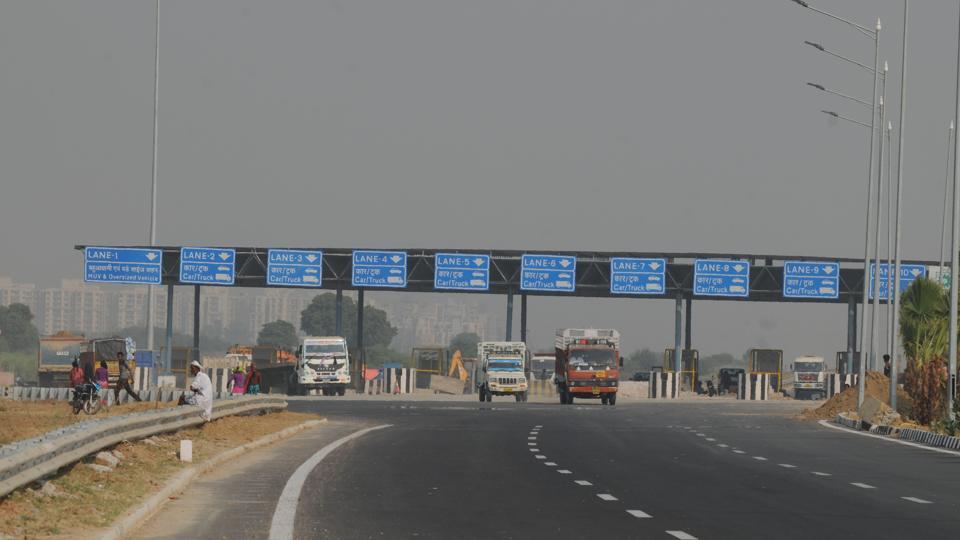
A senior municipal official associated with the integration project said at present, users from other states are forced to buy two separate RFID tags -- one FASTag for all toll transactions on highways by the National Highways Authority of India (NHAI), and one for the MCD toll collection. “If the integration is successful, there will not be a need to buy two separate tags and the amount can be deducted from the same tag. A new software is being developed to connect the two system under a ₹50 lakh project,” the official said.
Delhi has 124 border entry points where toll tax is levied, and the toll, along with an environment compensation cess (ECC) is collected using the RFID system at 13 major points used by 80-85% of all commercial vehicles entering the city. While the toll tax is utilised by the civic body, the Supreme Court-mandated ECC is transferred to the Delhi government.
A second official said the integration project will face several challenges. “NHAI charges the same amount for empty and full trucks, but the MCD system differentiates between the two. Similarly, the ECC for small empty commercial vehicles is ₹700 and a vehicle filled with goods is charged ₹1400. For bigger empty commercial vehicles like trucks, the ECC is ₹1300 while for filled trucks it is ₹2600. We also don’t charge ECC on trucks carrying essential goods,” the official said.