
 E-Paper



Delhi govt orders intensifying water quality checks to curb contamination
In response to water contamination deaths in Indore, Delhi's government has ordered intensified water testing and infrastructure audits to prevent similar incidents.

 Prefer HTon Google


Against the backdrop of water contamination and subsequent deaths reported in Indore, the Delhi government has ordered the Delhi Jal Board (DJB) to intensify water testing and related checks in vulnerable areas to prevent a similar incident in the Capital.
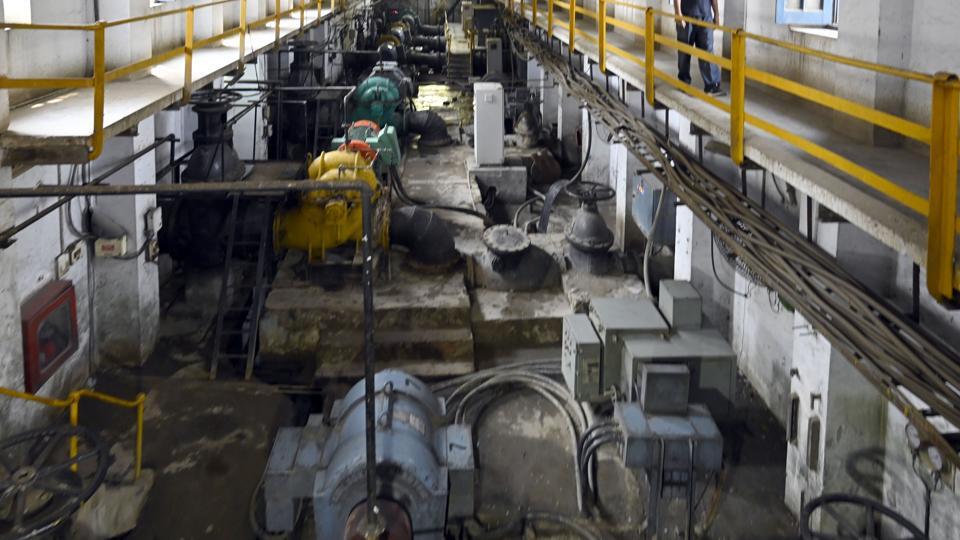
Delhi water minister Parvesh Verma has issued a checklist to this effect, directing checks of water lines near sewer lines, improvements in water quality monitoring mechanisms, an audit of vulnerable sections and prioritising repairs of supply lines.
DJB chief executive officer Kaushal Raj Sharma has issued a set of instructional orders to the staff and engineers, warning that failure to comply will invite disciplinary action. The order directs the deployment of additional staff for collecting water samples.
“DTQC may hire extra vehicles to collect the water samples extensively in problem facing areas and public premises,” the directive reads.
All DJB divisions were directed to resolve complaints in two days, prioritise such cases along with the deployment of 30 super-suckers and 16 recycler machines to tackle sewer lines causing contamination. “All Superintend Engineers and Chief Engineers will collect daily data of water contamination problems and their resolution to member water,” it read, adding that a separate cell will be made to oversee the activity.
Earlier this month, at least 16 people died after consuming water mixed with sewage in Indore’s Bhagirathpura. The tragedy has also raised concerns about the vulnerable sections in the national capital, where at least 18% of the water supply network is more than three decades old and needs to be upgraded.
The government said that the DJB must audit the existing infrastructure to identify vulnerable sections and prioritise repairs and replacements to prevent mixing of untreated water or external contaminants into the potable supply network.
DJB operates nine water treatment plants across Delhi which, along with groundwater resources, supply around 1000 million gallons per day (MGD) water to the city through a network of 123 underground reservoirs (UGRs) and 15,600km of supply line network.
The government also directed for round-the-clock vigilance in high-density areas, improving testing and strenthen monitoring at all treatment plants and also at the consumer-end.
HT had recently reported that the 15,600km water supply network in the Capital, nearly 18% (2800km) is more than three decades old and in need for replacement, according to a DJB assessment. Ageing pipes are prone to cracks and leaks that can raise the likelihood of water contamination. According to DJB’s water quality surveillance reports dated December 22 and 26, 2025, of the 7,129 samples of drinking water from various parts of the city, samples from 100 locations were found to be “unsatisfactory”.
Some of the failed samples were taken from underground reservoirs and booster pumping stations as well.
Recently, several concerns have been raised about the water quality testing mechanism of Delhi, with issues ranging from a lack of NABL accreditation of 25 DJB water quality testing labs, obsolete testing methodologies. NGOs and stakeholders have urged the water utility and government to order an inquiry into the current water quality monitoring mechanism, mandate the independent water quality secretariats as per Jal Jeevan Mission and issue new guidelines for dealing with water contamination.


Stay updated with all top Cities including, Bengaluru, Delhi, Mumbai and more across India. Stay informed on the latest happenings in World News along with Delhi Election 2025 and Delhi Election Result 2025 Live, New Delhi Election Result Live, Kalkaji Election Result Live at Hindustan Times.


