
 E-Paper



Delhi readies a full plan to tackle harsher winter
Delhi prepares for a colder winter with a Cold Wave Action Plan 2025-26 to protect vulnerable residents, coordinating health and emergency services.

 Prefer HTon Google


As Delhi braces for what could be a harsher winter under the influence of La Niña, the city government has drawn up a detailed Cold Wave Action Plan 2025–26 --- a coordinated, multi-agency framework to protect the Capital’s most vulnerable residents from extreme cold.
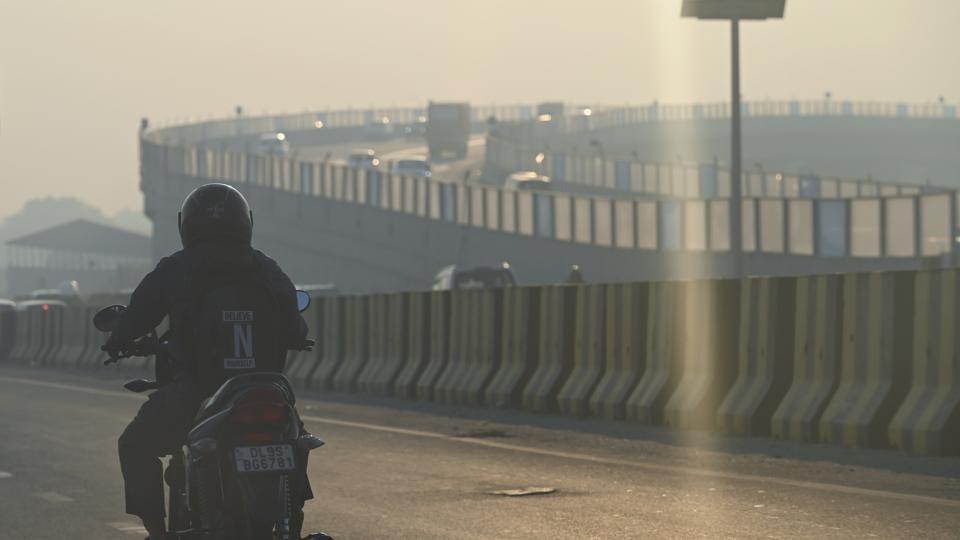
The plan, soon to be officially notified, brings together weather forecasting, health preparedness and emergency shelter management under a single strategy. It outlines short, medium and long-term measures that will be activated depending on how the season unfolds.
While Delhi already has a heatwave action plan, this will be its first detailed winter framework. IMD forecasts show temperatures in Delhi may drop below 10°C next week, with lows of 2–3°C likely in late December and January.
Briefly put, La Niña, the cooling phase of the El Niño–Southern Oscillation cycle, occurs when sea surface temperatures in the central and eastern Pacific Ocean drop below average. This shift alters wind and weather patterns globally, often bringing colder winters to northern India.
Meteorologists say La Niña conditions this year are likely to intensify cold spells in the region, leading to more frequent cold wave days and lower night-time temperatures.
“Cold waves in north India during La Niña tend to be more severe because clear skies allow rapid cooling at night. For Delhi, that means minimum temperatures could drop 2–4°C below normal, with cold wave conditions lasting several days when readings fall below 5°C,” states the draft plan, which Hindustan Times has reviewed.
At the centre of the framework is the Delhi Disaster Management Authority (DDMA), which will coordinate with various departments to map and update cold wave hot spots across the city. These zones will be identified using data on population density, housing and livelihood profiles, access to health care, and other vulnerability indicators.
The DDMA will issue early warnings five days in advance in coordination with the India Meteorological Department (IMD). Alerts will be shared through television, radio, newspapers and social media. Each district disaster management unit will hold review meetings to monitor readiness, coordinate emergency responses and document lessons for the future.
“The urban local bodies, including the Municipal Corporation of Delhi (MCD), Delhi Urban Shelter Improvement Board (DUSIB) and the Public Works Department (PWD), form the backbone of on-ground action. They have been directed to stock emergency supplies such as blankets, food and warm clothing for immediate distribution,” said a senior Delhi government official.
Agencies will expand or repair existing night shelters, insulate public buildings and buses, install fog lights on major roads and run awareness campaigns to help citizens stay safe during cold spells.
DUSIB, which manages over 200 night shelters across Delhi, will continue to provide hot water, warm bedding and essential amenities. It has also been tasked with coordinating with other civic agencies to ensure continuous water and electricity supply, along with health department support during emergencies.
The Health and Family Welfare Department has been asked to prepare standard operating procedures for treating hypothermia, frostbite and respiratory distress. Hospitals and primary health centres will set aside beds for cold-related cases, stock essential medicines, maintain rapid response teams and ensure ambulance coverage in vulnerable areas.
“The department will also coordinate with private hospitals to manage surge capacities and ensure real-time reporting of cold-related illnesses through the Integrated Disease Surveillance Programme,” the official said. The Animal Husbandry Department will identify cold-prone areas for livestock and set up temporary shelters for stray animals with food and medical support.
The plan emphasises coordination across departments, from police and fire services to food, social welfare and disaster management wings. NGOs and community groups will partner in outreach, relief distribution and awareness drives promoting eco-friendly heating and household preparedness.
Sunil Kumar Aledia, executive director of the Centre for Holistic Development (CHD), said while the plan appears comprehensive, implementation remains its biggest test. “Over a hundred shelters still lack drinking water. Each hospital should have a nodal officer for cold-related illnesses to ensure faster treatment. Hotspot mapping is vital, but only if backed by action on the ground,” he said.



Stay updated with all top Cities including, Bengaluru, Delhi, Mumbai and more across India. Stay informed on the latest happenings in World News along with Delhi Election 2025 and Delhi Election Result 2025 Live, New Delhi Election Result Live, Kalkaji Election Result Live at Hindustan Times.


