An estimated 90% of women from marginalised communities walk to work or carry out their daily chores, while restrictions on affordable modes of transport in several neighbourhoods further push them onto roads without safe pedestrian infrastructure, experts said on Tuesday.
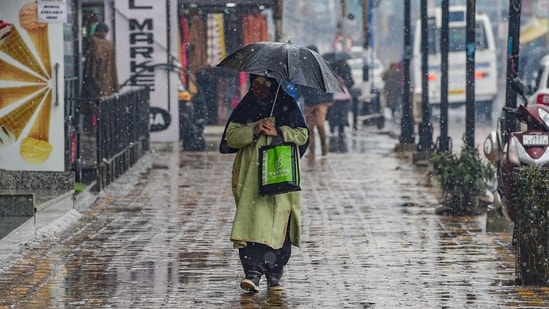
The challenges faced by women working in the informal sector and navigating inadequate public infrastructure were discussed at a session titled “Who Cares for the City? Gender, Labour, and Urban Space”, held as part of the three-day Urban Adda programme.
Deepty Jain, associate professor at the Transportation Research and Injury Prevention Centre at IIT-Delhi, said women from marginalised communities were particularly dependent on walking but often had to navigate unsafe roads.
Also Read | Use Centre’s grants to improve pedestrian friendly infra: Expert at Urban Adda 2026
“Around 90% of women from marginalised communities commute to work or carry out their daily chores on foot, often navigating roads that lack safe and adequate pedestrian infrastructure,” Jain said.
“In several localities, e-rickshaws and other affordable modes of transport are not permitted to enter deeper into neighbourhoods, further limiting access to low-cost mobility. Moreover, around 75% of neighbourhood trips are made on foot, yet these internal roads continue to receive low priority from urban planners,” she added.
{{/usCountry}}“In several localities, e-rickshaws and other affordable modes of transport are not permitted to enter deeper into neighbourhoods, further limiting access to low-cost mobility. Moreover, around 75% of neighbourhood trips are made on foot, yet these internal roads continue to receive low priority from urban planners,” she added.
{{/usCountry}}The extent of the challenge was illustrated by the experience of Shaheena Begum, a domestic worker who lives in Meethapur Extension in southeast Delhi and works in Faridabad, earning around ₹12,000 a month.
Shaheena walks about 12km each way as part of her daily commute. She starts work at around 6am and finishes by 4.30pm, spending roughly an hour and a half commuting each way. Nearly 12 hours of her day is thus spent working and travelling to and from work, with little access to public spaces where she can rest or public toilets along the route.
Also Read | CAQM proposes clean-air zone in Connaught Place inner circle | Urban Adda 2026
Speakers also highlighted the additional barriers faced by women with disabilities who work in the informal sector.
Shivani Gupta, senior manager at Inclusive Design, Global Disability Innovation Hub, said the majority of people with disabilities were employed in the informal sector, but their varied accessibility needs were often overlooked.
“The majority of people with disabilities are employed in the informal sector. They are often treated as one broad category, overlooking the different types of disabilities and the distinct accessibility needs each requires while using public infrastructure,” Gupta said.
Stay updated with all top Cities including, Bengaluru, Delhi, Mumbai and more across India. Stay informed on the latest happenings in World News along with Delhi Election 2025 and Delhi Election Result 2025 Live, New Delhi Election Result Live, Kalkaji Election Result Live at Hindustan Times.
Stay updated with all top Cities including, Bengaluru, Delhi, Mumbai and more across India. Stay informed on the latest happenings in World News along with Delhi Election 2025 and Delhi Election Result 2025 Live, New Delhi Election Result Live, Kalkaji Election Result Live at Hindustan Times.