
 E-Paper



Delhi Police map burglary-prone areas in capital
If you live in Civil Lines, Greater Kailash, Hauz Khas or Lutyens’ Delhi chances of burglars breaking into your house are less as compared to the rest of Delhi, suggests a police survey which has mapped different city zones based on the cases of burglaries reported from there.

 Prefer HTon Google


If you live in Civil Lines, Greater Kailash, Hauz Khas or Lutyens’ Delhi chances of burglars breaking into your house are less as compared to the rest of Delhi, suggests a police survey which has mapped different city zones based on the cases of burglaries reported from there.
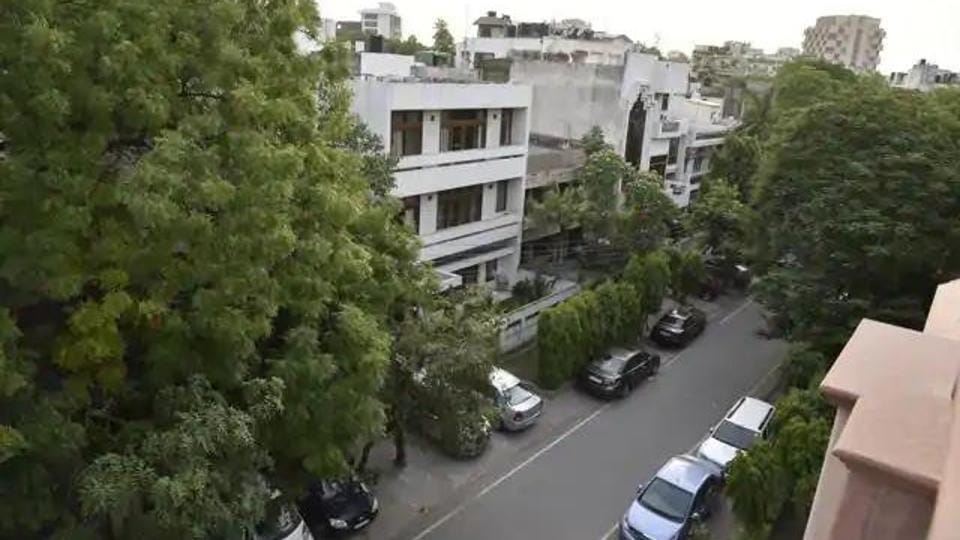
According to the survey, Nihal Vihar, Samaipur Badli, Nangloi and Bawana are the most burglary prone areas. The study was conducted by the crime branch unit of the Delhi Police last month. A team of investigators from the unit analysed 1,269 cases of burglary reported in Delhi till August 15 to divide the city into red, green, blue, and white zones, with red representing the most vulnerable areas and white the least.
Senior police officers described it as one of a kind study to identify crime patterns, loopholes in security apparatus, and suggest area-specific solutions to bring down number of cases. According to crime data available on Delhi Police website, 3,026 cases of burglary were reported in Delhi last year. 
The report was discussed in a video-conference meeting at police headquarters last Saturday.
According to a copy of the report, seen by HT, Nihal Vihar, Samaipur Badli, Nangloi and Bawana -- industrial belts in the city -- have reported more than 20 burglary cases each this year
Next is the green zone, which comprises Laxmi Nagar and Shakarpur in east Delhi, Tilak Nagar in the west and Shahdara in the north-east Delhi among others. These areas reported up to 19 cases each this year.
Areas such as Paschim Vihar east in west Delhi and Neb Sarai in south were classified in the blue zone where 11-15 cases each were reported.
Localities in white zone, three cases each, included Civil Lines in north Delhi, New Friends Colony in south-east Delhi and Hauz Khas in south Delhi, besides most police station areas in the Lutyens’ Delhi.
An officer, who was part of Saturday’s meeting, said, “We have identified the problem areas. This was the first step. It was an extensive study of each case. We are speaking to market associations and residents groups to join hands with us and fix this problem. We will ask them to install CCTV cameras or get more security guards in the factory/industrial areas.”
“At our end, we will set up police posts in some areas and increase patrolling in others. In some of the colonies such as Laxmi Nagar or Rohini, the residents can also come together and install CCTV cameras, which will act as a deterrent. The aim is to bring the cases to zero. We will also rework the deployment of police control room vans, accordingly,” the officer said, requesting anonymity.
Bhanu Pratap Mehta, president of Rohini Joint RWA Forum, said thefts and burglaries were a major problem in the area and they fear it would increase in the backdrop of “people losing their jobs/businesses in the pandemic”.
“We have been holding meetings with police. It has been a few months since CCTV cameras have been installed in some of the colonies and for the remaining the work is going on now. The residents are worried that with the coronavirus pandemic taking a toll on people’s livelihoods, incidents of crime may go up but hopefully with the cooperation of the police, we will be able to sail through this,” Mehta said.
The study has also identified the type of place within the zones where the burglars struck. The report shows that in 694 burglars struck in houses, followed by shops (273 cases), 71 offices and 66 factories, among other places categorised for the purpose of the study.
The officer added that the police stations in red and green zones will microscopically analyse the pattern in their area. The focus would be on checking the lanes, where there are no street lights, CCTV cameras. The timing and patrolling pattern of police vans will also be analysed.
A second police officer, who did not wish to be named, said the study suggests that besides other factors the nature of area (whether residential or industrial) and population also play a part in determining the level of safety. “For example, Hauz Khas is relatively smaller and has less population than say Bawana. Also, in places such as Civil Lines and Greater Kailash, the residents welfare associations employ security and individual houses too have private security guard. This helps in overall policing,” he said.
“Industrial areas and markets are relatively isolated and have fewer people on the streets after sundown. Plus, there is a problem of streetlighting,” he explained.
Former Delhi police’s deputy commissioner of police, LN Rao, who has worked in the police force for three decades said the study is a step in the right direction. “It is good that police are analysing the problems and patterns of crime. Studies like this have multiple benefits. Based on the patterns, the police can intelligence (and crack down on the criminals). This is what most corporate houses do while dealing with a problem. I am optimistic that it will lead to good results.”


