
 E-Paper



120 dysfunctional tubewells threaten water supply in key Lucknow zones
According to an official from the water works department (Jalkal), a large portion of these non-operational tubewells is concentrated in Zones 3, 5, and 8.


As many as 120 dysfunctional tubewells in the state capital remain unrepaired, posing a risk to the water supply in key city areas where they serve as the primary water source for residents.
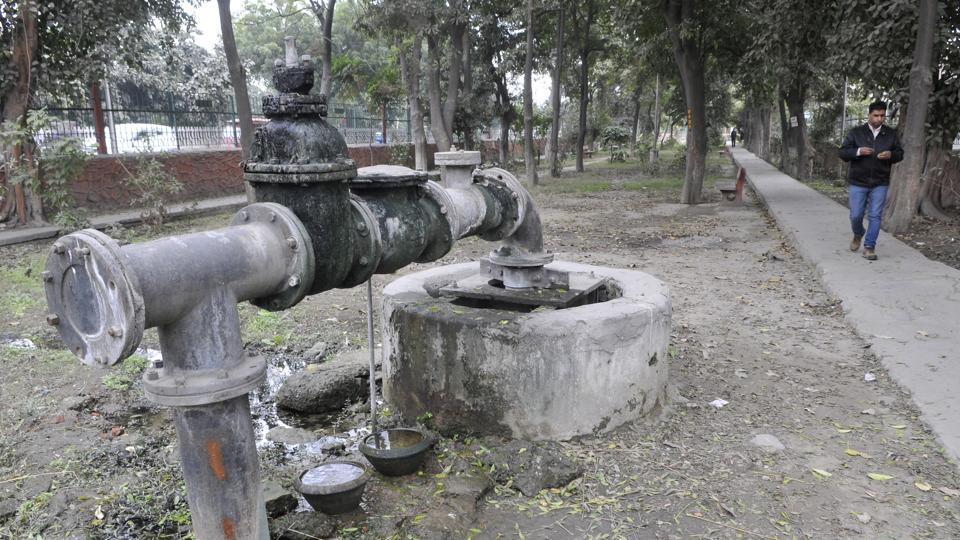
According to an official from the water works department (Jalkal), a large portion of these non-operational tubewells is concentrated in Zones 3, 5, and 8. In these areas, tubewells serve as the primary water source, as surface water resources are not utilised.
The department’s general manager, Kuldeep Singh, confirmed the severity of the issue, revealing that a proposal has been submitted to secure funds to repair around 74 tubewells. “We’ve seen an alarming increase in the number of dysfunctional tubewells over the last 2-3 years,” Singh said.
He added that while the department previously managed to meet demand with alternative sources, the current situation requires urgent repairs. “Without immediate intervention, water scarcity in the city could become severe, particularly during peak summer demand,” Singh warned.
An additional factor contributing to the problem is declining groundwater levels. “Previously, water was accessible at a depth of about 160 meters, but now we have to go down to 180 meters,” explained another official.
Despite acknowledging the urgency, Jalkal officials have so far received only ₹20 crore, sufficient to repair approximately 30 of the 120 tubewells. Priority repairs are being directed to tubewells in the zones with the highest demand, according to the official.
However, officials estimate that restoring full functionality across the city requires additional funds to address the remaining 90 tubewells. “If we receive the funds within the coming months, we can complete the repairs before summer sets in,” the official noted.
He stressed that securing funding soon would simplify the repair process, as more labor is available for this work outside the peak summer season. “Right now, it’s easier to find workers because there’s less demand for tubewell repairs. If delayed, sourcing workers during summer will be challenging,” he explained.
The department’s current challenges are rooted in budget constraints that have hindered consistent maintenance. Officials now await approval of the proposed budget to carry out widespread repairs and ensure the city’s water supply ahead of the summer months, the official added.


