
 E-Paper



Trans community exchange ‘Satrangi salaams’, discuss their struggles
Trans activists from Lucknow and other cities from Bihar, Telangana, and Maharashtra speak on the injustice and violence faced by queer people, specifically trans people when it comes to security and jobs, at the seminar organised by Humsafar Trust in Lucknow.


‘Azaadi!’ and ‘Jai Bhim’ slogans reverberated in the halls at the International Buddhist Research Institute here on Tuesday morning where a seminar on ‘trans and queer struggles in employability and social security’ was organised by Humsafar Trust.
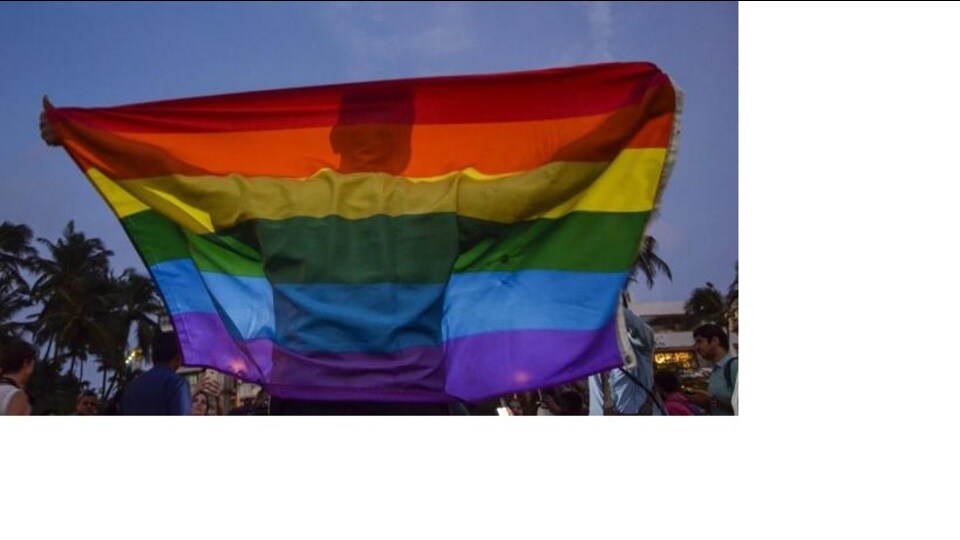
The Humsafar Trust, a non-profit support centre for women, youth and queer folk, invited trans activists from Lucknow and other cities from Bihar, Telangana, and Maharashtra, to speak on the injustice and violence faced by queer people, specifically trans people when it comes to security and jobs.
The event titled ‘Sangharshon ki Saajhedari: Jan andolano ki satrangi awaazein’ (Sharing of struggles: the colourful voices of a mass movement) started off with ‘satrangi salaams’ (rainbow salutes) and made way for the discussions with poetry, songs and dance.
The members from the Lucknow queer community and allies from the trust sang and performed on songs about freedom and identity. A report titled ‘Beyond the Binary’ with research on the entanglement of gender issues with other matters like caste and religion, was also inaugurated by the panelists invited to speak at the seminar.
Rachna Mudraboyina, a trans activist from Hyderabad recalled the Trans Bill of 2019 prohibiting the discrimination against transgender people and the various pride marches she attended during her address to the audience. She went on to talk about how she planned to come out as trans to her family only after she finished her studies and started earning, even though she knew much before about her gender identity. “I have been a sex worker for the last 20-25 years and in that duration, I have lost so many friends to HIV and AIDS, other sicknesses. Some have been murdered in broad daylight too,” she said. “Which authority will be responsible for us?” She said that many trans women are left with no other option but to beg on the streets as they find it very hard to get employed, and workspace atmospheres are highly turbulent for them.
Disha Shaikh, a trans activist and poet from Maharashtra questioned the root of patriarchy and gender norms, stressing that the patriarchy faced by cisgender heterosexual women in society looks much the same as the patriarchy faced by trans women and ‘hijras’ - which perpetuates a culture of accepting abuse as a matter of course. She also said “the same people who love to debate on trans rights and casteism within the trans community are the same who would not move an inch in the direction of change.”
Hasina Khan of the Bebaak Collective, an autonomous coalition of women’s activist groups as well as Tanmay, a trans and feminist activist were also on the speakers panel, with activist Meera Sanghamitra as the moderator.
“It is important for women and children from low-income communities also to be aware of these issues and be open to these conversations,” said Arundhati Dhuru, founder and trustee of Humsafar Trust.


