E-Paper



BJP-RSS coordination committee meeting: Yogi listens to Sangh affiliates’ concerns, assures to resolve them
Coordination committee meets every three to four months to discuss and resolve issues, chief minister’s presence adds to its significance

 Prefer HTon Google


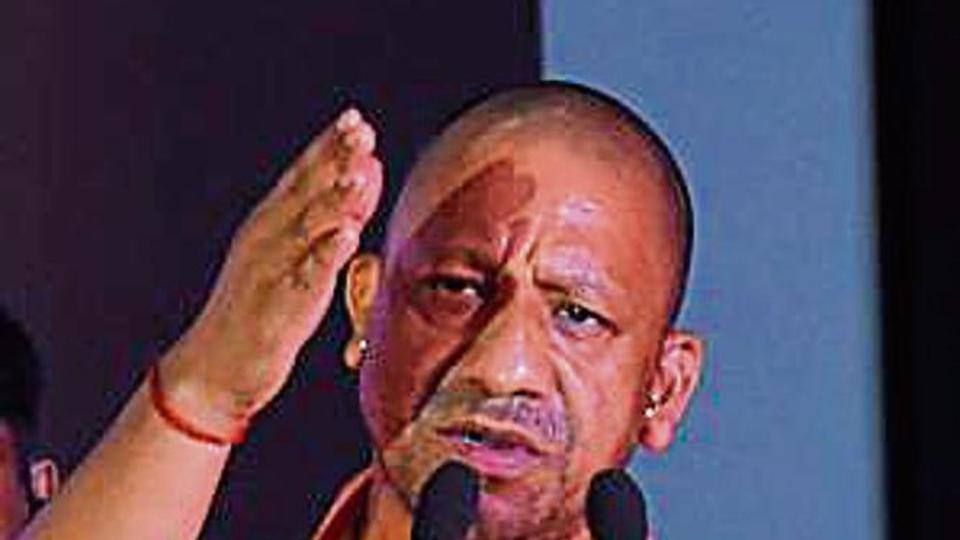
Chief minister Yogi Adityanath gave a patient hearing to concerns raised by around 250 representatives from 31 organisations affiliated with the Rashtriya Swayamsevak Sangh (RSS) during the BJP-RSS coordination committee’s periodic meeting in Ghaziabad on Wednesday.
Uttar Pradesh BJP chief Bhupendra Singh Chaudhary and general secretary (organisation) Dharam Pal Singh were among others who attended the meeting, which took place amid recurring complaints that officials in their own government not giving due attention to BJP and RSS workers.
The coordination committee meets every three to four months to discuss and resolve issues, but the chief minister’s presence at the three-hour-long meeting adds to its significance.
The meeting, according to insiders, focused on strengthening coordination between the RSS, BJP, and the state government. Representatives from 31 organisations, including the Vishwa Hindu Parishad (VHP) and Bajrang Dal, briefed the committee on their efforts to awaken Hindus and other initiatives. They also apprised the chief minister of the challenges they faced in carrying out social service and Hindu awareness activities.
The Hindu Jagran Manch raised concerns about religious conversions and urged the chief minister to take all possible measures against those involved in fraudulent conversions.
“The CM patiently heard everyone and assured them that their concerns would be addressed through coordinated efforts between the government, the party, the RSS, and its affiliated organisations,” RSS kshetra prachar pramukh Kripashankar, who was privy to the meeting, said.
According to him, the CM also spoke in detail about the successful organisation of the Mahakumbh, highlighting how it became a globally recognised event that will be remembered for years to come.
“Besides, the resolution passed at the RSS’s Akhil Bharatiya Pratinidhi Sabha, the Sangh’s apex decision-making body, in Bengaluru last month was read out in the meeting and preparations for celebrating the organization’s 100th anniversary onthe upcoming Dussehra were also discussed,” Kripashankar said.
The RSS, through the Bengaluru resolution, resolved to build a harmonious and united Hindu society for world peace and prosperity. The resolution expressed deep concern over the persecution of Hindus and other minorities abroad.