
 E-Paper



Cleaning of sewers, septic tanks by untrained staff not allowed: ULB directorate
The Directorate of Local Bodies has written to all municipal commissioners, general managers of Jalkal and Jal Sansthan and executive officers to ensure availability and use of latest equipment and necessary protective gear during the hazardous cleaning process of sewers and septic tanks by sanitation workers in the state.


The Directorate of Local Bodies has written to all municipal commissioners, general managers of Jalkal and Jal Sansthan and executive officers to ensure availability and use of latest equipment and necessary protective gear during the hazardous cleaning process of sewers and septic tanks by sanitation workers in the state.
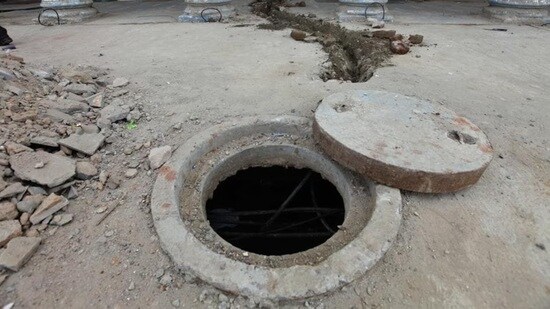
“Untrained sanitation workers will not be allowed to carry out cleaning of sewers and septic tanks,” Dr Nitin Bansal, the director of Urban Local Bodies Directorate has said in his missive that has come in the wake of the Supreme Court’s October 20 orders about safety of workers involved in the cleaning of sewers and septic tanks. The orders included provision of a compensation of ₹30 lakh in case of death in an accident, in addition to not allowing manual cleaning.
Bansal has accordingly issued directives about following standard operating procedures (SOPs) during the cleanliness exercise.
As per the SOPs that have already been issued in the past, no person is allowed to enter the sewer for cleaning.
“Therefore, entry into the sewer without proper safety measures for cleaning is prohibited. Regular cleaning and maintenance of septic tanks and sewers should be ensured with maximum mechanisation, prescribed rules and standard operating procedures and safety equipment. Getting unsafe cleaning done is a legal offense,” the SOPs state.
From time to time, awareness exercises are to be conducted in all the local bodies for sewer line, septic tank and pit cleaning.
Additionally, supervisors must be present on-site with adequate machinery and safety equipment.
Sewer cleaning should be carried out when the minimum quantity of sewage is present in the sewer.


