MUMBAI: The picture-postcard coast in Maharashtra’s Ratnagiri district is set to become a nuclear power hub, with as many as four such plants proposed along the 167-km stretch. The plants, with a total installed capacity of 17,200 MW, will dot the coast from Dapoli in the north of the district to Jaitapur in the south.
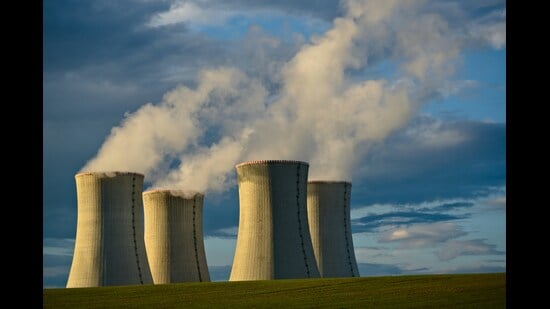
Locals are worried that discharge from the plants will destroy the delicate marine ecology, impacting fishing. They also ask why as many as four plants have been planned in one single district, raising safety concerns as well.
However, intent on pushing ahead with its plans, the state government recently signed memorandums of understanding (MoUS) with four companies – Adani Power, Reliance Industries, JSW Energy and Torrent Power – for nuclear facilities along the Ratnagir coast. Plans are afoot despite stiff resistance from locals to the 9,900-MW Jaitapur plant to be developed by the Nuclear Power Corporation of India Ltd (NPCIL). The MoU was signed in 2010 but the project has since stalled.
Ratnagiri’s tryst with power plants goes back three decades, beginning with US energy giant Enron’s project at Dabhol. Despite large-scale opposition, the project went on stream but shut after massive corruption in its parent company forced Enron’s collapse.
Later, locals opposed thermal power projects proposed at Dhopave in Ratnagiri, between 2007 and 2010. The project was eventually cancelled. Next, they raised their voice against the 9,900-MW Jaitapur nuclear power project, followed by an oil refinery at Barsu, which has also stalled.
{{/usCountry}}Later, locals opposed thermal power projects proposed at Dhopave in Ratnagiri, between 2007 and 2010. The project was eventually cancelled. Next, they raised their voice against the 9,900-MW Jaitapur nuclear power project, followed by an oil refinery at Barsu, which has also stalled.
{{/usCountry}}Despite the concerns of locals, the state and central government is determined to turn Ratnagiri district into a nuclear hub. Since May, the state government has signed six MoUs to generate nuclear power, to become the driving force of nuclear power in India. Of the six proposed plants, four are planned in Ratnagiri, a fifth in neighbouring Sindhudurg district, while the location of the sixth is yet to be decided.
In mid-September, JSW Energy signed an MoU with the state government for a 2,800-MW nuclear plant at Bhiv Bunder in Aghari village, Ratnagiri’s Dapoli taluka. The estimated investment is ₹44,000 crore. The state also signed an MoU with Torrent Power Limited for a 1,400-MW nuclear plant in Ratnagiri district although this facility could be located in another district. The proposed project involves an investment of ₹35,000 crore.
MoUs have also been signed with Adani Power and Reliance Industries for nuclear plants in Barsu in Rajapur taluka and Purnagadh in Ratnagiri taluka, respectively. While Adani will invest ₹1.5 lakh crore in a 6,000-MW plant, Reliance will invest ₹2 lakh crore in a 7,200-MW plant.
These MoUs have kindled unrest in local residents. The Konkan Jan Vikas Samitee, which works on developmental issues in the region, is opposing the plan to bring so many nuclear power projects to Ratnagiri and other parts of the coastal belt. It convened a meeting in Mumbai recently to unite people from various Konkan districts and urged them to build a movement not only for their district but for the entire belt.
“We are not against development but want sustainable development of the Konkan region, with tourism and agriculture at the centre. In the past, Ratnagiri united against the nuclear power plant at Jaitapur. Now they have proposed four plants with more than 17,000 MW nuclear generation capacity, around double that of Jaitapur,” said Prabhakar Narkar, president of the samitee.
“Nuclear plants need a lot of water for cooling operations and they release warm water into the sea. This will affect marine life and fish production, and fishermen will face losses. Besides, we are worried about the risk of nuclear accidents. Why is the government proposing all these projects in Ratnagiri district? We will oppose them,” he said.
Explaining the need for nuclear plans on coastlines, Ashok Pendse, a power expert, said, “Nuclear plants need massive amounts of water for cooling operations. It is not possible to ensure this much water supply from rivers or dams, so it is a natural choice to locate them in coastal regions. They can convert water from the sea or creeks into fresh water through desalination,” said Pendse.
Stay updated with all the Breaking News and Latest News from Mumbai. Click here for comprehensive coverage of top Cities including Bengaluru, Delhi, Hyderabad, and more across India along with Stay informed on the latest happenings in World News.
Stay updated with all the Breaking News and Latest News from Mumbai. Click here for comprehensive coverage of top Cities including Bengaluru, Delhi, Hyderabad, and more across India along with Stay informed on the latest happenings in World News.