E-Paper



Gandhamardan hills named third biodiversity heritage site in Odisha
The Mandasaru gorge in Kandhamal district was notified as the first such site in Odisha in 2019, followed by Mahendragiri hills in 2022

 Prefer HTon Google


The Odisha government has declared the Gandhamardan hill, spanning 18,963.898 hectare over Bolangir and Bargarh districts, as the third biodiversity heritage site of the state by giving it the status of a unique, ecologically fragile ecosystem having rich biodiversity.
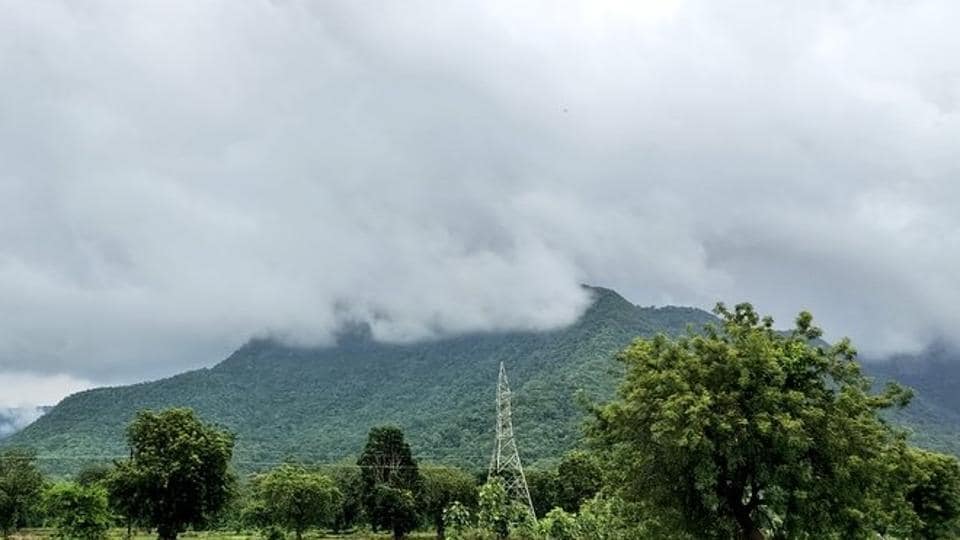
A notification issued by the state forest and environment department said the status was accorded as per section 37 of the Biodiversity Act and Rule 20(2) of the Odisha Biodiversity Rules, 2012.
With this announcement, Gandhamardan has become the 37th biodiversity heritage site of India, along with the Majuli island of Assam, Nallur Tamarind grove of Bangalore, Khlaw Kur Syiem KmieIng sacred grove of Meghalaya and Naro Hills of Madhya Pradesh.
The Mandasaru gorge in Kandhamal district was notified as the first such site in Odisha in 2019, followed by Mahendragiri hills in 2022.
The floral diversity of Gandhamardan hills comprises of 1,055 plant species that include 849 angiosperms, 56 pteridophytes, 40 bryophytes, 45 lichens and 2 gymnosperms and 63 species of macrofungi. The faunal diversity comprises 500 species of animals that include 43 species of mammals, 161 species of birds, 44 species of reptiles, 16 species of amphibians, 118 species of butterflies, 27 species of dragonflies, 7 species of damselflies and 83 species of spiders. One angiosperm: ficus conccina var. dasycarpa and one spider: peucetia harishankarensis are endemic to this hill.
The hills have historical monuments such as the Nrusinghanath temple located on the northern slope and Harishankar temple on the southern side. These two shrines are big pilgrimage sites of Odisha.
Also Read:Archaeological remains of 13th-15th century temple discovered in Odisha: INTACH
Biodiversity heritage sites are well-defined areas under the National Biodiversity Authority that are unique, ecologically fragile ecosystems – terrestrial, coastal and inland waters and, marine – having a rich ecosystem comprising any one or more of the following components: richness of wild as well as domesticated species or intra-specific categories, high endemism, presence of rare and threatened species, keystone species, species of evolutionary significance, wild ancestors of domestic/ cultivated species or their varieties, past pre-eminence of biological components represented by fossil beds and having significant cultural, ethical or aesthetic values and are important for the maintenance of cultural diversity, with or without a long history of human association with them.