E-Paper



Goa CM justifies ‘Housie’ ban as state football association calls for a rethink
A popular game of chance, Housie, also known as Bingo or Tambola, involves players marking numbers on their cards as they are called out randomly and whoever marks the entire numbers wins

 Prefer HTon Google


Goa chief minister Pramod Sawant on Sunday defended his government’s decision to ban the popular community game ‘Housie’ (also known as Tambola).
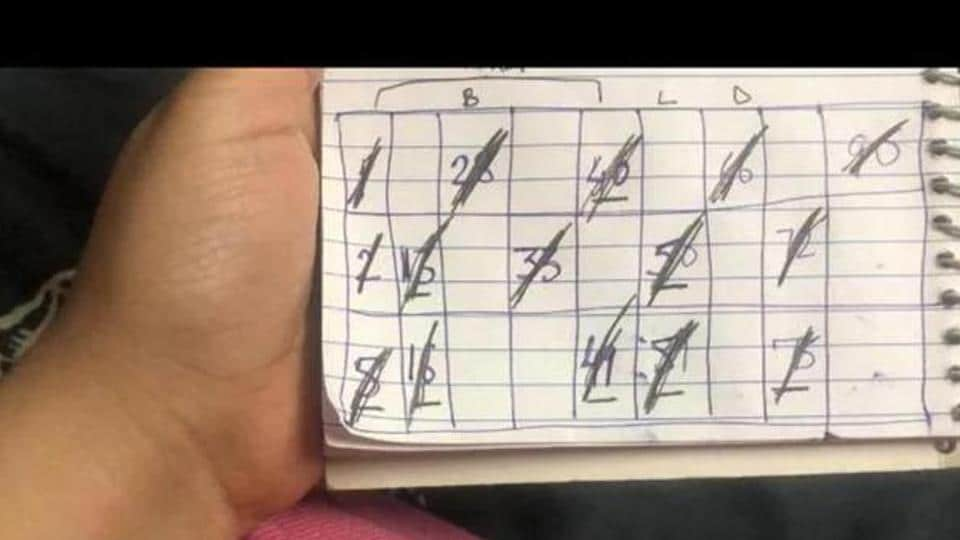
A popular game of chance, Housie, also known as Bingo or Tambola, involves players marking numbers on their cards as they are called out randomly and whoever marks the entire numbers wins.
Speaking to media persons, CM Sawant said that for as long as the game was being held at a smaller scale, there was no problem.
“The law is above all. The law is also clear. For all this while it was happening in a small way, but now they started offering big prizes, we could not tolerate [it],” Sawant said on Sunday.
Sawant’s comments come days after the Goa Football Association called on the chief minister to revise the ban on ‘Housie’, which the association said was a crucial source of revenue for village clubs.
South Goa Collector Egna Cleetus, had in an order issued on April 5, ruled that “as per provisions of the Goa Public Gambling Act, 1976, such activities are cognizable and punishable offences.
“The Act prohibits the operation and maintenance of common gaming houses, as well as gambling in public or private places without lawful authority or license,” it said.
Also Read: Now only police inspectors with body cams can issue traffic challans in Goa: CM
The ban was issued after events announcing grand prizes running into lakhs of rupees were advertised.
In a letter to the state chief minister, Goa Football Association President Caetano Silva had urged him to reconsider the complete ban.
In the letter, Silva pointed out that for decades, traditional inter-village football tournaments featured games of Housie, which serve not only as entertainment but also as a crucial source of revenue for clubs.
“These funds are used to support grassroots football development and sustain social initiatives undertaken by local clubs throughout the year,” Silva argued.
“With sponsorships and donations on the decline, the income from Housie plays a vital role in the survival of these registered clubs, many of which maintain audited accounts and comply with financial regulations. A sudden halt to such activities could spell the end for several clubs and have a detrimental impact on the future of football in Goa,” Silva said.
Veteran football fan Radharao Gracias said that Housie, in a limited, non-commercial way was not only harmless but also beneficial to clubs’ finances.
“Goan football has a long history. Anyone who attends village football tournaments will be aware that at the interval or sometimes at the end of a game Housie is routine. The coupons are sold by volunteers of the club. The earnings go towards the club finances,” Gracias said.
“Knee jerk reactions are not a solution,” he added.
Activist Peter Borges, however, has a different take.
“We all remember Housie as a simple, joyful game at feasts and festivals. But what we are seeing now is something entirely different—massive prize money, open promotions, children present, and zero regulation. It has quietly turned into high-stakes gambling, normalised in public spaces under the banner of tradition. This isn’t about undermining culture—it’s about protecting our families, especially our youth, from what this is becoming,” Borges said.
“Goan football was built long before tambola jackpots became a thing. It thrived on community spirit, passionate volunteers, and real support—not on lakhs in prize money and gambling-style events disguised as fundraisers. Trying to normalise unregulated gambling in the name of tradition is a slippery slope. Let’s not dress up vices and call it culture,” Borges added.
Meanwhile, acting on the collector’s order, authorities have begun cracking down on community events involving Housie.
The collector ordered officials to “monitor their respective jurisdictions closely for any information, reports or complaints pertaining to Housie” and to “conduct prompt and effective action, including inspections, raids and seizures as necessary, wherever such unlawful gambling operations are suspected or reported.”