
 E-Paper



Gujarat HC seeks responses on PIL against misuse of deepfake targeting authorities
The PIL drew attention to the rapid proliferation of deepfake and synthetic media on digital platforms and its grave implications.

 Prefer HTon Google


The Gujarat high court on Tuesday sought responses from the Gujarat and Union governments on a public interest litigation (PIL) seeking judicial intervention to curb the growing misuse of fake and AI-generated videos and images, particularly those impersonating or falsely depicting constitutional authorities.
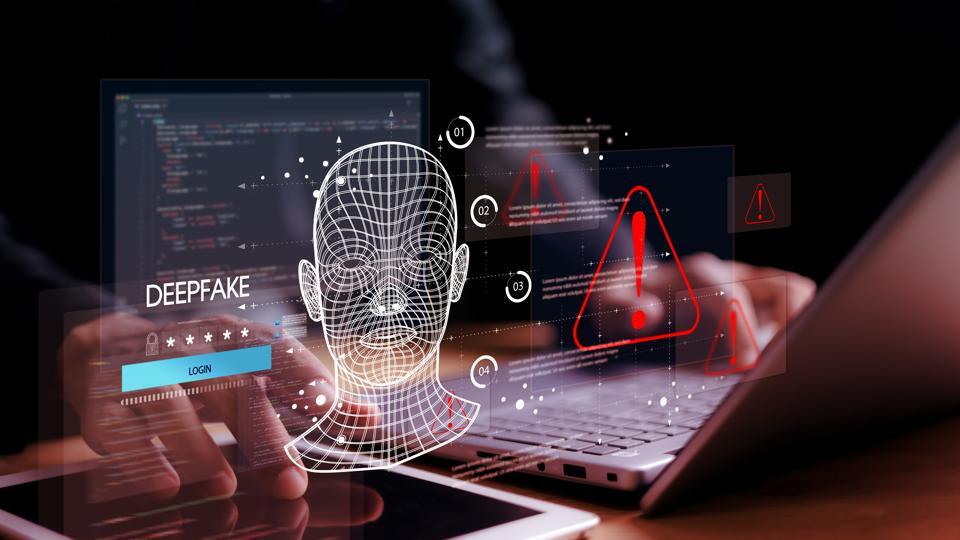
The PIL, filed by Ahmedabad-based advocate Vikas Vijay Nair, drew attention to the rapid proliferation of deepfake and synthetic media on digital platforms and its grave implications for public trust, democratic institutions and public order. It contends that manipulated videos and images of constitutional functionaries, including the President, Prime Minister, judges and governors, are increasingly being circulated as authentic content, misleading citizens and undermining institutional credibility.
The petition explains that advanced deepfake technology now enables the creation of videos that closely replicate real voices, facial expressions and body movements. As a result, it says, members of the public often find it difficult to distinguish between genuine and manipulated content, leading to confusion, reputational harm and erosion of trust in public institutions.
Appearing for the state government, advocate general Kamal Trivedi told the court that the issue warranted serious consideration. He submitted that there had been “terrible and widespread misuse” of online content through deepfakes and synthetically generated material, causing extensive and, in many cases, irreparable damage.
During the hearing, the advocate general pointed out that the challenge posed by deepfakes was not unique to India and noted that several countries had already introduced stringent legal frameworks to regulate artificial intelligence and prevent the misuse of synthetic media.
The plea argued that the existing legal framework under the Information Technology Act, 2000, and the Information Technology (Intermediary Guidelines and Digital Media Ethics Code) Rules is inadequate to address the rapid evolution of artificial intelligence tools. It highlights that the current law does not specifically deal with deepfakes, synthetic impersonation or mandatory disclosure of AI-generated content, leaving enforcement agencies and courts to rely on broad provisions that are slow and ineffective.
To underscore this regulatory gap, the petitioner referred to measures adopted in other jurisdictions. The petition cites the United States, where several states have enacted laws criminalising malicious deepfakes, especially those involving impersonation, election interference and non-consensual content, and where digital platforms are required to remove such material within stipulated timelines.
It also refers to the European Union’s Artificial Intelligence Act and Digital Services Act, which classify certain AI systems as high-risk, mandate transparency and clear labelling of synthetic content, and impose substantial penalties on platforms for failing to act against unlawful or deceptive material. According to the plea, these regimes impose enforceable obligations on both content creators and intermediaries rather than relying solely on reactive takedowns.
The petitioner has further sought directions to the Union government, state authorities, the ministry of electronics and information technology, and the director general of police to frame specific guidelines and enforcement mechanisms to tackle AI-generated misinformation. The reliefs sought include mandatory labelling of synthetic content, time-bound takedown procedures, clearly defined responsibilities of intermediaries under existing law, and standard operating procedures for police and cybercrime units.
Filed under Articles 14, 19 and 21 of the Constitution, the petition challenged the unchecked circulation of fake and AI-generated content on grounds of equality before law, reasonable restrictions on free speech, and the right to dignity and reputation.
The matter is expected to be listed for further hearing after the respondents file their replies.


