
 E-Paper



SC orders framing of guidelines to ensure free EWS treatment in hospitals on subsidised land
The Supreme Court directed Delhi private hospitals to create guidelines for providing free treatment to the poor, addressing non-compliance with past orders.

 Prefer HTon Google


New Delhi: The Supreme Court on Wednesday directed the framing of guidelines to implement its order binding private hospitals in Delhi that received land at concessional rates to provide free treatment to the poor.
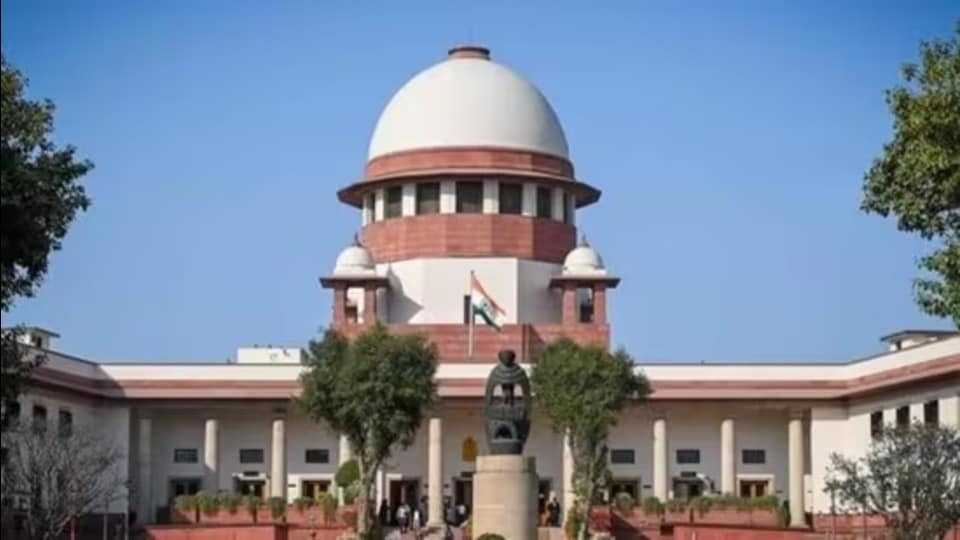
Noting that the majority of the 51 hospitals show-caused by the Delhi government for flouting this obligation, a bench of justices PK Mishra and NV Anjaria said, “Instead of the court forcing you, we will ask you to prepare an action plan on your part. If you fail on that, nobody can save you.”
The court had issued contempt notices in February and April to the 51 hospitals for disregarding its 2018 judgment, which directed the hospitals that obtained land at subsidised rates to comply with the accompanying condition to provide a 25% OPD facility and 10% beds for economically weaker sections (EWS) of the society.
Subsequently, most of the hospitals filed responses. Upon reviewing these responses, the court-appointed amici curiae, senior advocate Sanjay Jain and advocate Ninad Laud, found 41 hospitals to be in default. While some hospitals had yet to respond, only two were found to be in satisfactory compliance with the court’s order.
The court directed the Delhi government to facilitate a meeting on May 23, where the representatives from the hospitals can sit together with officials of the Union health ministry, Delhi government’s health department, Delhi Development Authority, Land & Development Office, and Municipal Corporation of Delhi, with the two amicus curiae and come out with commonly accepted guidelines.
Posting the matter on July 29, the bench said, “For the next two months, we will see how the guidelines are implemented. If we see the hospitals are defalcating, we know what action to take.”
The 51 hospitals facing scrutiny by the court include the chain of Max hospitals, Fortis, Mool Chand Khairati Lal, Primus Super Speciality, Sita Ram Bhartia, VIMHANS, Dharamshila Narayana, Jaipur Golden Hospital, National Heart Institute, Pushpawati Singhania, Rajiv Gandhi Cancer Institute and St Stephen’s hospital.
A report by amici curiae provided a geographic representation of the 51 hospitals on the Delhi map, showing that each hospital is located in populous neighbourhoods with an overwhelming presence of the EWS population. “This is indicative of the fact that the ground of non-accessibility of the noticee hospitals to the EWS patients is untenable,” the report filed on May 10 states.
The report also flagged the hospitals’ inability to explain the steps they have taken to encourage EWS patients. “There is no material to show that such hospitals have provided an integrated and respectable infrastructure to treat such patients, more particularly, in the context of OPDs and pharmacies,” the report read.
“One of the possible reasons for low footfall could be the fact that the EWS population is either discouraged or feels intimidated to enter the noticee hospitals. It is also a distinct possibility that the low footfall is for want of adequate dissemination of information to the EWS…to treat them without charging a penny,” it added.
The amici curiae stated that online reviews in the public domain show that EWS patients have shared their experiences, clearly pointing to a “regrettable attitude of most of the noticee hospitals towards EWS patients”.
They suggested that hospitals should put up large hoardings at the entrance and in the lobby in a language EWS patients can understand, along with advertisements in newspapers.
The amici curiae also advised installing CCTVs on the hospital premises to monitor compliance.
The court said, “There is no dispute that there is non-compliance by hospitals. We are considering what action must follow. Those who were given land on concessional rates, the allotment cannot be withdrawn at this stage. But if they continuously default, we may ask them to provide market rate of land.”
Based on monthly reports from private hospitals, the Delhi government noted gross violations of the free treatment clause, with some hospitals failing to treat even a single poor patient for months. The amicus report noted that a rise in the treatment of poor patients in some hospitals was witnessed in the last three months. Most of the defaulting hospitals fared poorly in the range of 1-10%, as against the 25% OPD criteria.
The private hospitals welcomed the suggestions of the amici curiae and agreed to meet with the concerned agencies to draft guidelines.
The top court’s 2018 ruling stemmed from a PIL filed before the Delhi high court seeking free treatment to the poor in hospitals, which were obliged to provide the same under the land lease clause.


