Sonika Sethi
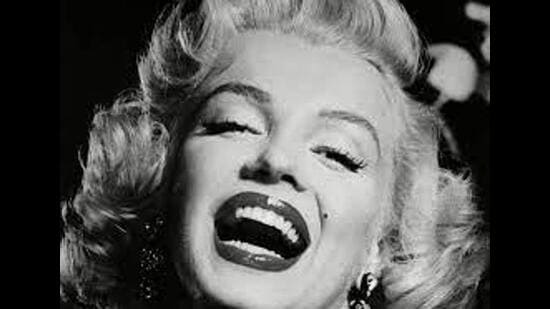
An animated discussion was going on among the students of my post-graduate class as we discussed the nuances of literary works translated from one language to another. Despite its umpteen merits, the translated work is occasionally haunted by a ‘single tragic flaw’, I informed them. There are certain literary expressions and words in a language that lack literal translation in the other. At times, even when the translator is able to literally translate them, the essence of the expressions is somewhat diffused and the word or the expression loses its aesthetic beauty as well as significance in translation. One word that dominated the rest of our discussion was the Hindi/Urdu word ‘til’– an emblem of beauty among poets and shayars who have penned verses to acknowledge its presence on the beloved’s face,
‘Ab main samjha tere rukhsaar pe til ka matlab
Daulat-e-husn pe darbaan bitha rakha hai’
(I now understand the meaning of this beauty spot on your face, it is to guard the treasure trove of beauty- Qamar Muradabadi).
On close scrutiny, we observed that ‘til’ has no substitute in lingua franca. The closest we could find were a ‘mole’ and a ‘beauty spot’. However, these translations were less than satisfying and vague as a ‘mole’ is generally defined by dermatologists as ‘an area of growth on skin usually brown or black’. They categorise moles into harmless or carcinogenic and believe that they tend to grow with the passage of time and may also sprout hair. The description could hardly evoke a romantic response in comparison to the sensuous verses spun around ‘til’!
We tried to correlate ‘til’ to the next possible translation ‘beauty spot/mark’. It turned out that it could hold its ground in the sense that a ‘til’ strategically placed on the face could definitely add to the beauty of the possessor. Who can forget the iconic beauty spot on the cheek of Hollywood legend Marilyn Monroe or the one just above the lip of ’80s’ supermodel Cindy Crawford? Till date women undergo prosthetic treatments to get these classic beauty marks etched on their faces. Back home our very own, the original Diva of Bollywood, Rekha had everyone’s heart wound around her mesmerising beauty which was further embellished by the ‘til’ above her lips.
{{/usCountry}}We tried to correlate ‘til’ to the next possible translation ‘beauty spot/mark’. It turned out that it could hold its ground in the sense that a ‘til’ strategically placed on the face could definitely add to the beauty of the possessor. Who can forget the iconic beauty spot on the cheek of Hollywood legend Marilyn Monroe or the one just above the lip of ’80s’ supermodel Cindy Crawford? Till date women undergo prosthetic treatments to get these classic beauty marks etched on their faces. Back home our very own, the original Diva of Bollywood, Rekha had everyone’s heart wound around her mesmerising beauty which was further embellished by the ‘til’ above her lips.
{{/usCountry}}Yet, the term ‘beauty spot/mark’ is a vague term and cannot be equated with ‘til’ as it can also relate to a birth mark which may or may not be black or pin-point and not every beauty mark is real. Actresses often use fake beauty marks to accentuate their glamour. In fact, the trend of using fake beauty marks first originated in France in the 16th century among the French aristocracy and these were known as ‘mouches’. The Romans, however, considered beauty marks a curse upon humans inflicted by the rage of Gods who were envious of the fact that humans were getting far more beautiful than them. During medieval times, moles were deemed evil and therefore were widely associated with witches.
But leave it to Bollywood to write eulogies in honour of the humble ‘til’. A song from the recent film, Padman, even endorses the ‘til’ on the beloved’s shoulder,
Tere kandhe ka jo til hai, Tere seene mein jo dil hai
Teri bijli ka jo bill hai, aaj se mera ho gaya.
sonrok15@gmail.com
The writer is an assistant professor of English at SD College in Ambala