
 E-Paper



Agharkar Institute gets national repository status
The designation covers two key facilities at ARI, the MACS Collection of Microorganisms and the National Fungal Culture Collection of India, recognising their role in preserving and documenting the country’s microbial and fungal diversity.

 Prefer HTon Google


Pune: In a significant boost to scientific research and biodiversity conservation, the Agharkar Research Institute (ARI), Pune, has been designated as a national repository under the Biological Diversity Act, 2002. The notification was issued on April 7, 2026, by the Ministry of Environment, Forest and Climate Change in consultation with the National Biodiversity Authority (NBA).
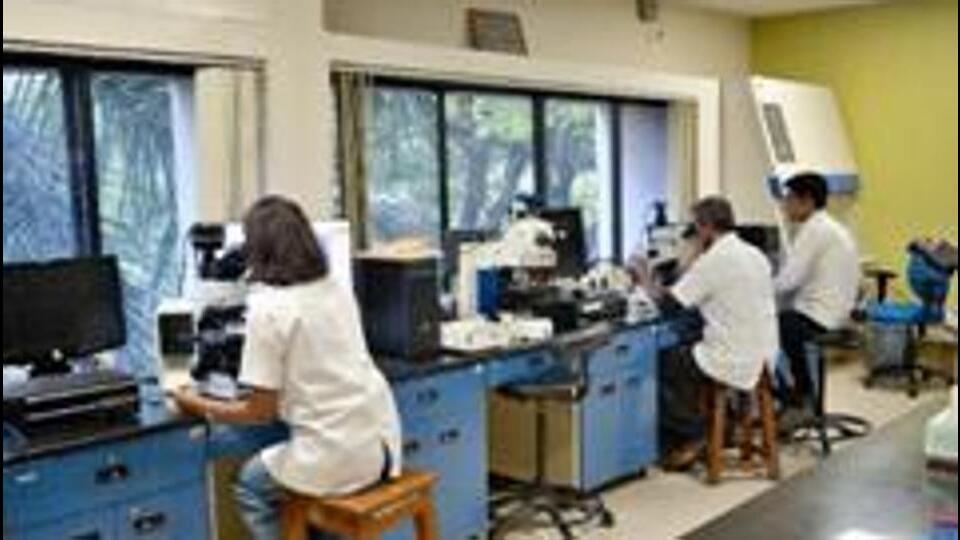
The designation covers two key facilities at ARI, the MACS Collection of Microorganisms and the National Fungal Culture Collection of India, recognising their role in preserving and documenting the country’s microbial and fungal diversity.
Under Section 39 of the Act, the Centre may notify institutions as repositories for various biological resources. These facilities ensure the safe custody of materials, including voucher specimens, and support the documentation of newly discovered species, as well as the resources used in research and commercial applications.
Prashant K. Dhakephalkar, director of ARI, told HT, “We are deeply honoured that the Ministry of Environment, Forest and Climate Change has designated the MACS Collection of Microorganisms and the National Fungal Culture Collection at Agharkar Research Institute as National Repositories under the Biological Diversity Act, 2002. This recognition affirms our long-standing expertise in microbial and fungal preservation, strengthening our commitment to safeguarding India’s biological wealth for research, agriculture, healthcare, and industry. ARI repositories will safeguard and preserve India’s microbial heritage, including industrially important extremophiles and obligate anaerobic microorganisms.”
With this addition, the number of designated repositories in the country has risen to 18, strengthening the national framework for conservation and systematic biodiversity documentation.
The MACS Collection of Microorganisms is known for preserving diverse microbial cultures, including rare, anaerobic, and extremophilic organisms, supporting applications across agriculture, healthcare, and industry.
The National Fungal Culture Collection of India maintains authenticated fungal cultures from diverse habitats nationwide and plays a key role in identification, classification, and research. It also provides services to academic institutions, research organisations, and industry, along with training and collaborative programmes.
Alongside ARI, the Referral Centre Bhavasagara at the Centre for Marine Living Resources and Ecology (CMLRE), Kochi, has also been notified as a repository.
Officials said, “The strengthened repository network will ensure biological materials are preserved in scientifically controlled conditions and made accessible for research and innovation in a transparent and accountable manner. It will also support effective implementation of access and benefit-sharing provisions by improving record-keeping and traceability.”


