
 E-Paper



Rupee deprecation hits visit by foreign patients to Pune hospitals
Post Covid and currency depreciation, the city hospitals have recorded almost 40% decline in foreign patients seeking medical treatment


Depreciation of the Indian Rupee against the dollar in the past few months has hit medical tourism with foreign patients preferring treatment at home at lesser cost.
The Indian rupee depreciated 8% against the dollar in 2022 even as it is among the most stable currencies in the world.
Pune city has been a hub for medical tourism with many patients from Iraq, Oman, Nigeria, Yemen, South Sudan, Kurdistan region, Congo, Uganda, Liberia, Afghanistan, Ghana, Mozambique and other nations visiting for treatment.
Post Covid and currency depreciation, the city hospitals have recorded almost 40% decline in foreign patients seeking medical treatment. These hospitals are now approaching other countries for business.
Doctors said that citizens from African and gulf countries have stopped visiting Pune hospitals for minor medical procedures like general surgeries, gynaecology procedures, total knee replacement, plastic surgery or reconstructive surgery amongst others.
According to hospitals, as most of them are middle-class patients or earning population, they prefer to get treated in their own country as decline in currency value makes Indian medical care unaffordable. Patients with paying capacity or expenses borne by the government visit city hospitals for complex and high-end procedures in oncology, haematology, knee replacement and organ transplant.
Treatment expense
Foreign patients said that coming to Pune for minor medical treatment is not financially viable as the other costs end up on the higher side.
“If a foreign patient has to pay around 4,000 dollars for a minor treatment in a Pune hospital, the actual expense incurred is around 6,500-7,000 dollars for travelling, visa, hotel accommodation and follow-ups. So, only for treatment that cost 20,000 to 30,000 dollars is the visit affordable and workable. Every patient has to bear the expense of one attendant. Post procedures and discharge, the patient and attendant have to wait for a minimum ten days for follow-ups at hotel and buy medicines for two to four months. Hence, we opt for hi-end medical services at Pune hospitals,” a patient from an African nation said on condition of anonymity.
Drop in visitors
The Jehangir Hospital that sees 150 foreign patients per month has admitted that only Yemen citizens are visiting for treatment.
“Most of our patients from foreign countries are middle-class families. They come for oncology, gastroenterology, cardiology and related ailments like pre-Covid days,” said a hospital management member.
Almost 90% of African patients coming to India for treatment pay from their own pockets with the remaining belonging to elite category or covered by their respective governments and medical insurance. A few also come through crowdfunding or funded by trust.
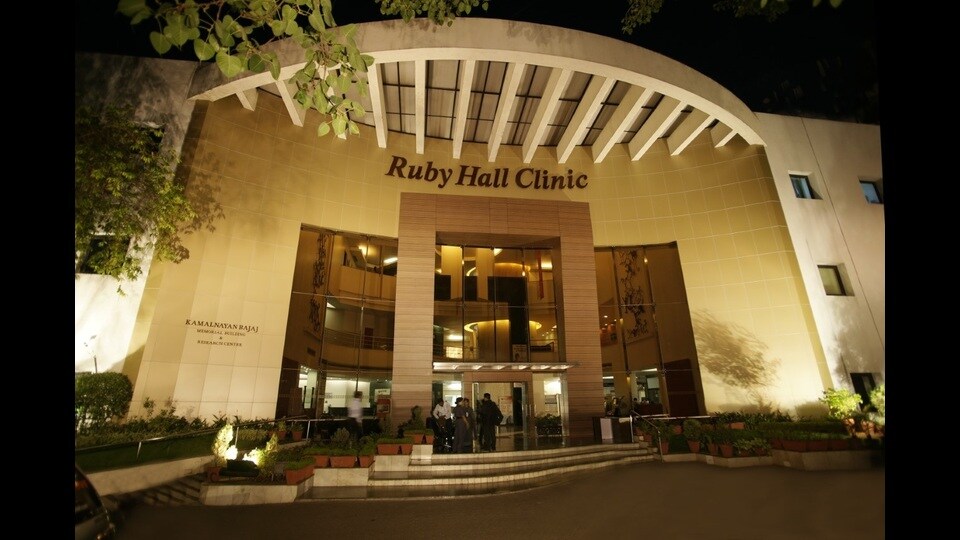
Hrishikesh Khandwe, general manager, medical tourism, Ruby Hall Clinic, said, “Post Covid, foreign patients have declined by 30% to 40% from gulf countries and 50% from African countries. India is the most affordable option for medical tourism in the world with available quality healthcare. Now the patients are getting these treatments in their own countries at affordable rates. We have reached around 75% of our business as compared to pre-Covid period. We have 60 foreign patients visiting our hospital as compared to 80 to 90 before the pandemic struck.”
Khandwe said India has tough competition from Turkey in medical tourism. “Egypt with similar cost to India has become another option for patients from western African countries. However, we have better infrastructure and expert doctors,” he said.
Another senior management member from Ruby Hall Clinic said the hospital is earning monthly ₹1.5 crore under medical tourism which was ₹2 crore prior to Covid.
Sahyadri Hospitals’ average foreign patient intake was 30-35 each month pre-Covid period. The number has dropped to about 25 per month with mostly visitors from Bahrain, Yemen, Iraq, Ethiopia, Mozambique, and other African countries.
Before the pandemic, patients would seek treatments for orthopaedic procedures, war injury management, general surgery, and cardiology-related interventions. Presently, patients primarily seek treatments in areas such as oncology, spine surgery, organ transplants, and other similar interventions at Sahyadri hospitals.
Abrarali Dalal, director and CEO, Sahyadri Hospitals, said, “The depreciation of currency has had an impact on medical tourism business, leading to changes in profile of patients seeking services. Patients now look for cheaper options, including charitable hospitals and low-cost treatments. Exchange rate difficulties have resulted in higher prices, making it challenging for patients to afford our services. Consequently, we have had to re-evaluate our pricing strategies and explore more affordable options to attract patients,” he said.
Dr Shrikrushna Joshi, medical director, Lokmanya Group of Hospitals, said that they are seeing around 10 to 15 patients a month mostly for knee and hip replacement.
“The overseas department is making around 70% to 75% of business as compared to pre-pandemic period. We get patients from Yemen, Bangladesh, Dubai, Oman and African countries. There is a significant decline in patients coming from African countries,” he said.
Foreign patients
Akinbinu from Nigeria, who underwent renal transplant and visits Pune every year for follow-ups, said it has become costly for her to visit the city and wants doctors to mail her prescription for medicines.
“Post Covid, we have to pay around 750 Naira for one dollar. The banks do not have enough dollars and we have to buy the currency from the black market. Other expenses like air travel, accommodation have increased forcing many from my country to seek treatment at home,” she said.
Akin from Ikeja, the capital city of Lagos in Nigeria, has dropped the plan to visit Pune for treatment of his father because of currency depreciation and inflation post Covid. His father Okikiposu, former mayor of Ikeja, wanted to visit Pune for hip replacement and other gastrointestinal treatment. The family had some funds and were waiting for government aid before admitting Okikiposu to a hospital in Nigeria, where he later died. “The value of Nigerian Naira was around 450 to 500 per dollar in the black market and now it has gone up 750 to 755 Naira per dollar. Given the economic crisis and the exchange rate, people are finding it difficult to travel to other countries for treatment. The air fare has also gone up after Covid. It is out of reach for many to visit other countries for treatment,” said Akin.
Patients from gulf countries like Oman, Saudi Arabia and Bahrain are better placed as compared to African counterparts as 50% of them are covered by the government and the remaining pay from their own pockets.


