Beginning September 1, autorickshaw travel across Pune district, including Pune and Pimpri-Chinchwad, is set to get costlier after the regional transport authority (RTA) approved a fresh fare revision, taking the minimum fare from ₹25 to ₹30 for the first 1.5 km and the per-kilometre charge from ₹17 to ₹20; officials said on Tuesday. This is the fourth fare hike since 2021, with minimum autorickshaw fares having increased by nearly 67% from ₹18 in 2021 to ₹30 from September 1 in less than five years.
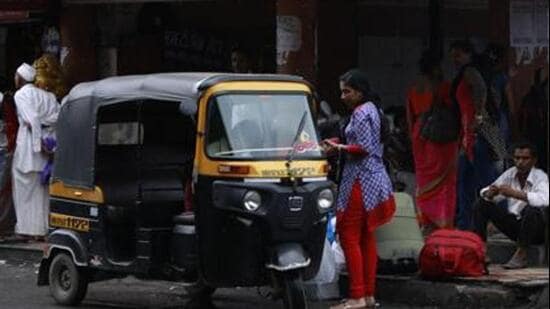
The decision was taken at an RTA meeting chaired by Pune district collector Jitendra Dudi on Monday. The revised rates will apply to all licensed autorickshaws operating across Pune district.
“The fare revision has been approved after considering the recommendations of the Khatua Committee and the increase in operating costs over the past few years. All autorickshaw meters must be recalibrated, and until that process is completed, drivers will have to display the official fare chart while charging passengers,” said Swapnil Bhosale, deputy regional transport officer.
Autorickshaw unions have been demanding a fare revision, arguing that rising CNG prices, higher maintenance costs, expensive spare parts, insurance premiums and overall inflation have made it difficult to operate under the existing fares. According to transport officials, CNG prices have increased from around ₹91 per kg in August 2022 to nearly ₹96 per kg at present. The revised fares have been calculated based on the recommendations of the Khatua Committee, which prescribes a formula linked to fuel prices and operating costs.
The hike is expected to benefit nearly 1.5 lakh autorickshaw operators across Pune district. However, it will also increase the commuting cost for thousands of passengers who depend on autorickshaws for first- and last-mile connectivity. The RTA has made recalibration of all autorickshaw meters mandatory. Operators will have six months from September 1 to complete the process. Until then, drivers must carry and prominently display the officially approved fare chart to help passengers verify the correct fare and minimise disputes. The decision has drawn mixed reactions from commuters, many of whom said that the fare hike should be accompanied by stricter enforcement against errant drivers.
{{/usCountry}}The hike is expected to benefit nearly 1.5 lakh autorickshaw operators across Pune district. However, it will also increase the commuting cost for thousands of passengers who depend on autorickshaws for first- and last-mile connectivity. The RTA has made recalibration of all autorickshaw meters mandatory. Operators will have six months from September 1 to complete the process. Until then, drivers must carry and prominently display the officially approved fare chart to help passengers verify the correct fare and minimise disputes. The decision has drawn mixed reactions from commuters, many of whom said that the fare hike should be accompanied by stricter enforcement against errant drivers.
{{/usCountry}}“We understand that fuel and maintenance costs have gone up, but passengers also deserve better service. Many drivers still refuse short-distance trips, don’t switch on the meter, or demand arbitrary fares. Before increasing fares again, the authorities should ensure that these problems are addressed,” said Raunak Birajdar, a Baner resident.
Another commuter, Priya Kulkarni, who travels daily between Kothrud and Deccan, said, “Every fare hike is justified in the name of rising costs, but there is hardly any action against drivers who refuse rides or overcharge. If we are paying more, there should be accountability and strict enforcement of rules”.
The latest increase to ₹30 and ₹20, respectively, is the first revision in nearly four years. The first fare revision came in November 2021 when the minimum fare was increased from ₹18 to ₹20 and the per-kilometre charge from ₹12 to ₹13 following a sharp rise in CNG prices. Less than a year later in August 2022, the RTA approved another hike raising the minimum fare to ₹23 and the per-kilometre rate to ₹14. Within the same month, the fare structure was revised again to ₹25 for the first 1.5 km and ₹17 for every additional kilometre.