Pune: A new study of the upper Indus basin in the northwestern Himalayas has identified an unexpected geological source of atmospheric carbon dioxide (CO2): the oxidation of pyrite, commonly known as “fool’s gold”.
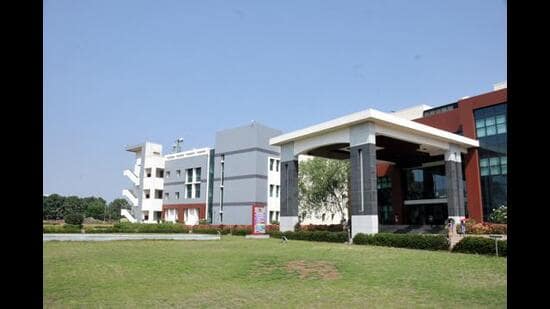
The study was conducted by researchers from the Department of Earth and Climate Science, Indian Institute of Science Education and Research (IISER) Pune
The study, published in the journal Chemical Geology on July 17, 2026, examines the role of pyrite oxidation in the carbon cycle of the upper Indus basin.
The findings suggest that in parts of the glaciated upper Indus basin, the release of CO2 associated with pyrite oxidation can outweigh the amount of CO2 removed through the weathering of silicate rocks. This means that some rapidly eroding, glacier-fed Himalayan landscapes may function as net geological sources of CO2 rather than carbon sinks, challenging the conventional understanding of how mountain weathering influences the long-term carbon cycle.
Over geological timescales, Earth’s climate is partly regulated by the balance between sources and sinks of atmospheric CO2. Volcanic activity releases CO2, while the chemical weathering of silicate rocks such as granite and basalt consumes it. Rainwater absorbs atmospheric CO2 to form weak carbonic acid, which reacts with silicate rocks. The products of this reaction are eventually transported to the oceans, where carbon can be stored in carbonate minerals.
However, the researchers found that this process works differently in the upper Indus basin. The region contains pyrite, an iron sulphide mineral often called “fool’s gold”. When pyrite is exposed to oxygen and water, it undergoes oxidation and generates sulfuric acid. This stronger acid can react with carbonate rocks in the landscape, causing the release of CO2.
{{/usCountry}}However, the researchers found that this process works differently in the upper Indus basin. The region contains pyrite, an iron sulphide mineral often called “fool’s gold”. When pyrite is exposed to oxygen and water, it undergoes oxidation and generates sulfuric acid. This stronger acid can react with carbonate rocks in the landscape, causing the release of CO2.
{{/usCountry}}To quantify this process, the study analysed water chemistry along with sulfur and oxygen isotopes from the upper Indus catchment. The analysis allowed the researchers to distinguish the contribution of pyrite oxidation and assess its effect on the regional carbon balance.
The study found that in the glaciated parts of the upper Indus basin, CO2 released through pyrite oxidation exceeds the CO2 consumed through silicate weathering. The result is a net geological release of CO2 from these landscapes.
The finding is particularly significant because the Himalayas are among the most rapidly eroding mountain systems on Earth. Glaciers, rivers and associated erosion continually expose fresh rock surfaces to chemical reactions, potentially accelerating processes such as pyrite oxidation.
The researchers stressed that this is a long-term geological process, operating over timescales of millions of years, rather than evidence that Himalayan glaciers are suddenly becoming a major modern-day source of atmospheric CO2 comparable to human emissions.
The study nevertheless highlights the complexity of the relationship between rock weathering and climate. While silicate weathering is generally considered an important natural mechanism for removing atmospheric CO2, the presence and oxidation of minerals such as pyrite can alter the overall carbon balance of a river catchment.
“The findings show that the relationship between rock weathering and atmospheric carbon dioxide is more complex than previously understood. In the glaciated upper Indus basin, oxidation of pyrite can generate enough CO2 to offset, and even exceed, the CO2 consumed through silicate weathering. This highlights the importance of considering pyrite oxidation and rapidly eroding glacier-fed catchments when assessing the long-term geological carbon cycle,” said researcher Gyana Ranjan Tripathy of ISSER Pune.
According to the researchers, the findings indicate that glacier-fed river systems need to be considered in assessments of the Earth’s long-term carbon cycle, particularly in regions undergoing rapid erosion. The study could also help improve understanding of how geological processes have influenced atmospheric CO2 and climate over million-year timescales.