
 E-Paper



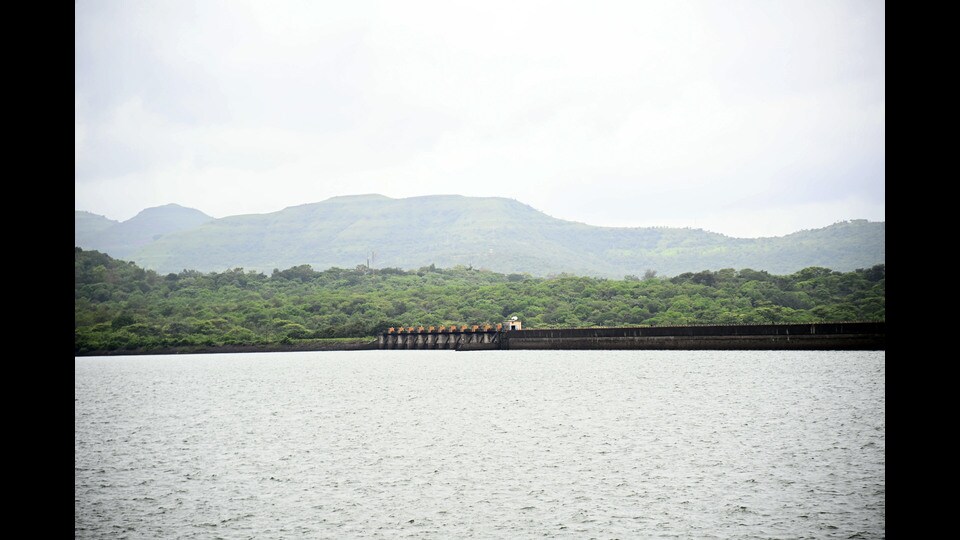
Maharashtra govt approves additional ₹315 crore to plug Temghar Dam leakages
According to the irrigation department officials, repairs began in 2016 after leakages were detected in the dam wall forcing authorities to stop storing water in the dam during the monsoon and start repairs

 Prefer HTon Google


The Maharashtra government has okayed ₹315 crore more to address leakage issues at Temghar Dam that supplies water to Pune city.
Deputy chief minister Ajit Pawar said, “To stop leakages and strengthen the dam, the cabinet has approved ₹315 crore. Chief minister Devendra Fadnavis had earlier cleared the proposal submitted by the irrigation department.”
Pune receives water from the Khadakwasla reservoir system, which includes Khadakwasla, Panshet, Temghar, and Warasgaon dams. Earlier, the state government had undertaken repairs at Temghar, but the work remained incomplete due to insufficient funds.
According to the irrigation department officials, repairs began in 2016 after leakages were detected in the dam wall forcing authorities to stop storing water in the dam during the monsoon and start repairs. The government has till date spent over ₹500 crore for the dam repair project.
“Only 10 per cent repair work is pending due to lack of funds,” said an official on condition of anonymity, adding that the dam’s structural integrity is sufficient to store water at full capacity. “Even the leaked water is not entirely wasted as it directly flows into the Khadakwasla dam,” he said.
At the peak of the leakage issue, approximately 2,500 litres of water per second were seeping through the dam’s cracks. Following repairs, the leakage reduced to 210 litres per second, according to the irrigation department.


