As the city has witnessed a worrying rise in flood-prone spots between 2023 and 2025 with 73 new flood-prone spots identified by the Pune Municipal Corporation (PMC) in the month of June alone, the civic body has taken a proactive approach and introduced a slew of measures to tackle the emerging challenges.
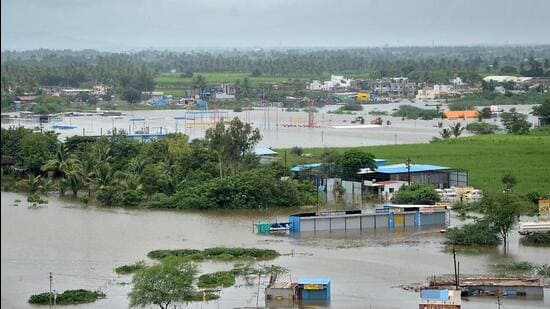
The PMC has sought additional funding and a detailed project report with an estimated cost of ₹250 crores has been prepared to tackle the surge in flood-prone spots. Pune is one of only seven cities in the country to be allocated funds by the central government to mitigate the risk of urban flooding under the National Disaster Management Plan (NDMP). The National Disaster Management Authority has allocated ₹50 crore for five years to the city. To further enhance flood management, the PMC has established a new disaster management cell equipped with modern facilities including a well-equipped control room. The initiative aims to integrate all departments and prepare for disasters in each department.
Ganesh Sonune, deputy commissioner, PMC disaster management department, said that the civic body has taken a proactive approach to identifying and addressing emerging flood-prone areas. “We have prepared and uploaded our flood control plan for the upcoming monsoon on the PMC website. The duty of each officer involved in the plan has been framed in detail. Fire brigade officers have been requested to provide information about all emergency calls received during the last two monsoons that will help us identify weak spots and curtail situations there,” Sonune said.
{{/usCountry}}Ganesh Sonune, deputy commissioner, PMC disaster management department, said that the civic body has taken a proactive approach to identifying and addressing emerging flood-prone areas. “We have prepared and uploaded our flood control plan for the upcoming monsoon on the PMC website. The duty of each officer involved in the plan has been framed in detail. Fire brigade officers have been requested to provide information about all emergency calls received during the last two monsoons that will help us identify weak spots and curtail situations there,” Sonune said.
{{/usCountry}}Earlier, waterlogging in Pune would primarily occur only when excess water was released from dams or reservoirs. However, the situation has drastically changed. Now, even moderate rainfall (35 mm to 40 mm) results in the accumulation of water that is knee-deep in several localities. Disturbingly, many of these areas were previously considered safe and free from flooding.
All this points to a systemic failure in urban planning, particularly maintenance and modernisation of stormwater drainage infrastructure. Activists have criticised the administration for its lack of foresight, pointing to clogged nullahs and poorly integrated drainage systems that are unable to handle the pressures of rapid urbanisation as well as erratic monsoon patterns.
Undri resident Sunil Aiyer said, “The emergence of new waterlogging spots across the city is a stark indicator of the pressing need for comprehensive flood management and urban infrastructure upgrades. It raises serious safety concerns for citizens, especially in terms of mobility, health risks, and emergency access during the rains. Unchecked urbanisation, narrowing of natural drainage channels, and inadequate maintenance of stormwater drains appear to be contributing to this worrisome trend. The increasing frequency and intensity of such incidents demands immediate attention from civic authorities to safeguard public life and restore confidence in Pune’s infrastructure.”
Jaymala Dhankikar, a member of the NIBM Annexe Forum, said, “Infrastructure like roads, metro lines and flyovers has been constructed but what about stormwater drains? There is zero planning for them which is leading to flooding in areas near the Pune Metro and other infrastructural projects. The engineers are not paying attention, and it feels like the city has been abandoned. Citizens are suffering due to frequent and sudden flooding.”