
 E-Paper



Pune civic body urges caution amid mpox threat
Dr Nina Borade, PMC health officer, said a dedicated ward for mpox suspected cases has been set up at Naidu Hospital and screening of international travellers at Pune airport has been ongoing since last month

 Prefer HTon Google


Following a mpox case reported in the country, the Pune Municipal Corporation (PMC) health department has advised citizens to remain vigilant while urging them not to panic. PMC has issued a letter to private practitioners and hospitals to start hospital-based surveillance for mpox cases, said officials.
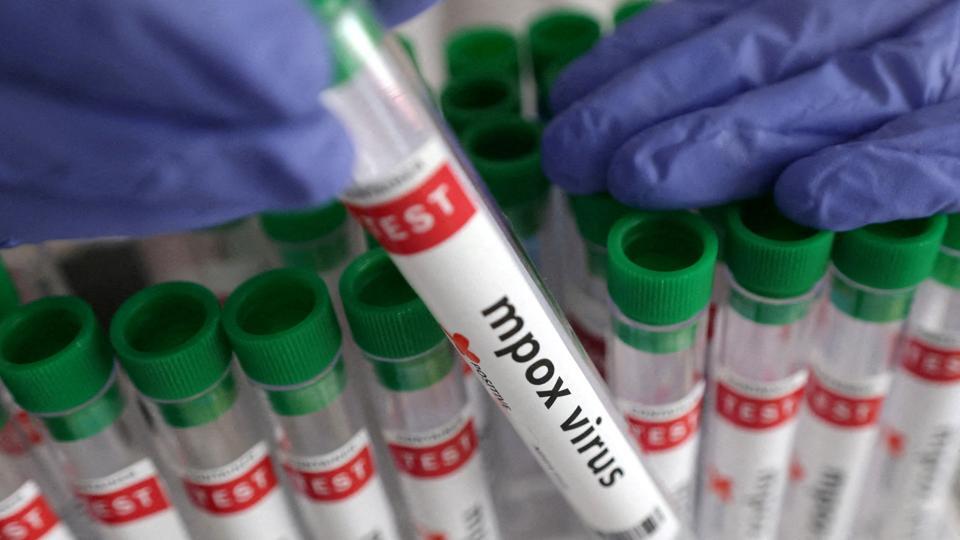
Mpox (formerly monkeypox) is a viral illness caused by the virus, a species of the genus Orthopoxvirus. Two different clades exist: clade I and clade II. The common symptoms of mpox are skin rash or mucosal lesions which can last 2–4 weeks accompanied by fever, headache, muscle aches, back pain, low energy, and swollen lymph nodes.
The government on Monday confirmed a mpox case in a patient isolated with a travel-related infection. However, it is not a part of the current public health emergency which is regarding the “clade 1” strain, said the ministry in its statement.
Dr Nina Borade, PMC health officer, said a dedicated ward for mpox suspected cases has been set up at Naidu Hospital and screening of international travellers at Pune airport has been ongoing since last month.
“Citizens should be cautious and not panic. The screening and treatment for patients is available free of cost at municipal hospitals,” she said.
Mpox can be transmitted to humans through physical contact with infected humans or infected animals. Laboratory confirmation is carried out by testing skin lesion material by polymerase chain reaction (PCR), said officials.


