
 E-Paper



Tamhini records unprecedented 2,000 mm rainfall in June alone
Tamhini has surpassed other heavy rainfall regions such as Mahabaleshwar which recorded 1,223 mm in June; Radhanagari which recorded 1,289 mm; Gaganbawada which recorded 1,109 mm; and Lonavala which recorded 1,096 mm rainfall


In a rare meteorological event, Tamhini Ghat in Pune district has recorded an unparalleled 2,000 mm rainfall in the month of June alone, stunning weather scientists and pushing it ahead of what are western Maharashtra’s wettest locations traditionally. According to experts, the volume of rainfall is highly unusual this early in the monsoon season.
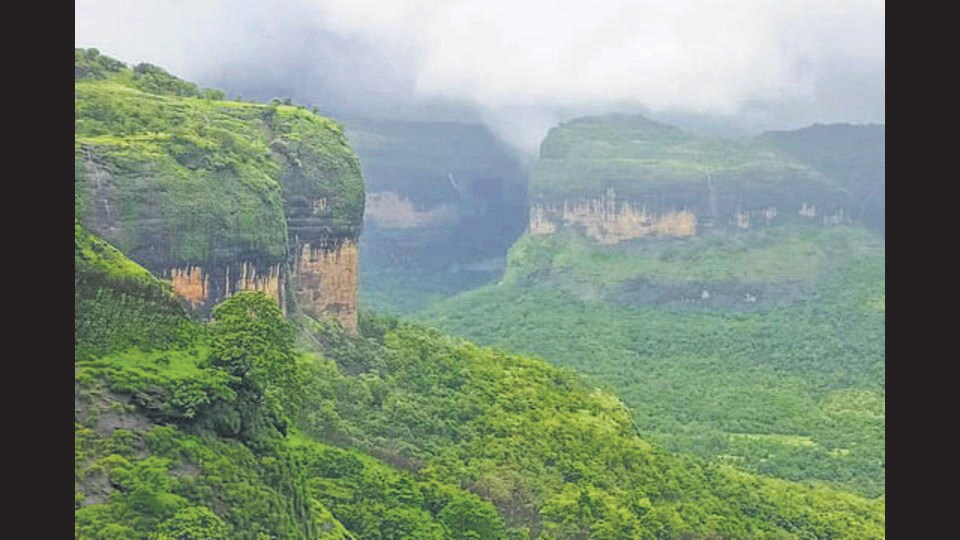
About the anomaly, Anupam Kashyapi, former head of the weather and forecasting division, India Meteorological Department (IMD) Pune, said, “Two-hundred centimetres in June — such concentrated rainfall this early in the season is not typical of the region.” He pointed to a shift in monsoon patterns that warrants further observation.
At 2,000 mm, Tamhini has surpassed other heavy rainfall regions such as Mahabaleshwar which recorded 1,223 mm in June; Radhanagari which recorded 1,289 mm; Gaganbawada which recorded 1,109 mm; and Lonavala which recorded 1,096 mm rainfall. As per IMD records, Tamhini had recorded just 848 mm during the corresponding period last year, highlighting the significant increase this year. While the region is known for its heavy monsoon spells, such intensity has not been witnessed in recent years. A senior weather scientist, requesting anonymity, said, “Although such rainfall is not completely unheard of in Tamhini Ghat, this level of intensity and concentration hasn’t been witnessed in recent years.”
Western Maharashtra as a whole has been reporting ‘above-normal rainfall’ this rainy season, particularly in the ghat areas. Pune district alone received 295.1 mm of rainfall in June, nearly double its normal average of 149.5 mm. The exceptional monsoon activity is attributed to strong weather systems originating over the Arabian Sea that have carried high levels of moisture into the region. By contrast, there has been an absence of significant system formation over the Bay of Bengal which typically contributes to rainfall in eastern Maharashtra, including Vidarbha and Marathwada. Consequently, these regions have seen large rainfall deficits so far.
The impact of heavy rainfall is being felt not only in terms of (meteorological) statistics but also on the ground. The catchment areas feeding the Khadakwasla dam complex have seen intense rainfall, leading to a significant rise in water levels. In response, the irrigation department has released 2.32 TMC (thousand million cubic feet) of water from the dam in June itself, an unusually early release for the season.
Looking ahead, the India Meteorological Department (IMD) has issued an orange alert in Pune district till June 30. According to S D Sanap, senior meteorologist at IMD Pune, light to moderate rain is expected over city areas, while the ghat sections of Satara and Kolhapur districts may experience heavy rainfall at isolated locations. “The weather conditions during this period will remain generally cloudy with light rain very likely. Heavy rainfall may occur in isolated places, especially in the ghat regions,” he said.
The exceptional rainfall trend observed this June in Tamhini and the surrounding areas has prompted closer scrutiny from meteorologists, who continue to track the evolving monsoon patterns in western India.


