
 E-Paper



With no in-house veterinary officers, Maha forest department leans on NGOs to run rescue centres
Currently, most rescue and treatment facilities function through partnerships with non-governmental organisations (NGOs), which also provide veterinary services. In many locations, veterinarians are either employed by these organisations or engaged on an outsourced basis.

 Prefer HTon Google


PUNE: Even as the Maharashtra forest department moves ahead with plans to establish new rescue and transit treatment centres (TTCs) across 11 forest circles, it continues to grapple with a basic gap: the absence of a single full-time veterinary officer within the department.
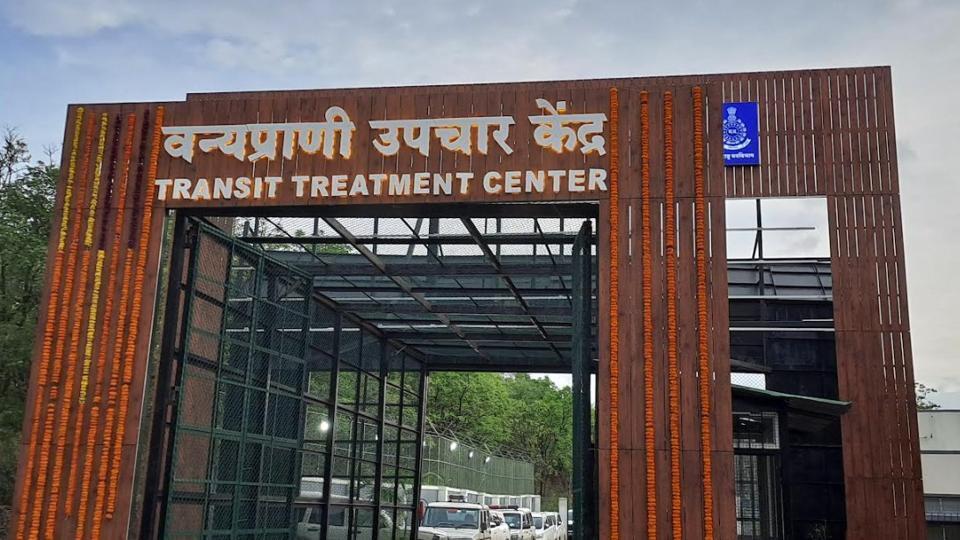
Currently, most rescue and treatment facilities function through partnerships with non-governmental organisations (NGOs), which also provide veterinary services. In many locations, veterinarians are either employed by these organisations or engaged on an outsourced basis. The growing dependence has triggered concern within the department, particularly as incidents of human-wildlife conflict rise and projects such as leopard sterilisation are under discussion. The shortage extends beyond TTCs. Tiger reserves and national parks across Maharashtra are also operating without dedicated veterinary officers, despite the issue being repeatedly flagged in meetings of the State Board for Wildlife.
With wildlife injuries, rescues and conflict situations increasing, the forest department has initiated a plan to set up TTCs in 11 forest circles, each catering to two to three districts. In Pune, a TTC was set up in 2022 at Bavdhan, where rescued animals from western Maharashtra are brought for treatment and rehabilitation. Similar small and medium-scale facilities operate elsewhere in the state. However, barring the TTC at Nagpur, most centres do not have in-house veterinary officers and rely instead on NGO partners or outsourced professionals.
In the Pune forest circle, two major facilities are operational: the TTC at Bavdhan, managed by RESQ Charitable Trust; and the Manikdoh Leopard Rescue Centre in Junnar, run by Wildlife SOS. In both cases, the NGOs handle daily operations and provide veterinary support during rescues and treatment.
Mangesh Tate, assistant conservator of forests, Pune division, said that the arrangement has its limits. “The TTC in Pune is being managed by RESQ Charitable Trust, which has trained veterinarians. But there is a clear need for dedicated veterinary officers — not just at TTCs, but across forest ranges. Many rescued animals need immediate on-ground treatment. In the absence of in-house veterinarians, animals have to be transported to TTCs, which is time-consuming and logistically difficult. Timely primary treatment could allow some animals to be released back into the wild,” he said.
Veterinary expertise is central to wildlife management. Veterinarians are often the first medical responders in cases of injuries, poaching and conflict. Their role spans tranquilising and treating injured animals, conducting post-mortems in wildlife crime cases, assisting in translocations, caring for captive animals in rescue centres and zoos, and monitoring zoonotic diseases that pose risks to animals and humans alike. Their presence strengthens conservation outcomes, improves animal welfare standards and enables evidence-based decision-making.
Anuj Khare, a member of the State Board for Wildlife, said that the absence of dedicated veterinarians is increasingly untenable. “Tiger reserves are witnessing a rise in human-animal conflict. Whether it is capturing a tiger or treating an injured wild animal, every reserve in Maharashtra needs a dedicated veterinary doctor. This concern has been raised consistently by board members for years,” he said.
Khare noted that the department currently calls in veterinarians from nearby colleges or district animal husbandry departments, often relying on those familiar with forest areas. “But there are no specialised wildlife veterinarians. There are no dedicated courses or sanctioned posts. Policy-level decisions are required to create a separate cadre and a specialised training framework,” he added.
The absence of structured posts has delayed appointments for years. Amid rising conflict, the department has now initiated limited recruitment through the Maharashtra Public Service Commission. An advertisement issued in December 2025 announced eight posts of Maharashtra veterinary officers for the forest department, with a separate cadre proposed. These officers are expected to be largely posted at the Nagpur head office.
Kunal Hate, former member of the State Board for Wildlife, called the move a step forward, though insufficient. “The recruitment is limited, but it is a positive start. Dedicated veterinary officers will strengthen the department’s response to wildlife emergencies,” he said.
For now, the ground reality remains unchanged. As rescues increase and wildlife management grows more complex, frontline forest staff continue to rely heavily on NGO partners — underscoring the urgent need to institutionalise veterinary expertise within Maharashtra’s forest administration.


