


 Live Score
 Cricket Teams
 Cricket Players
Forget Cheteshwar Pujara; Why India need a Hanuma Vihari classic from MCG 2018 instead, and who can perform that role?
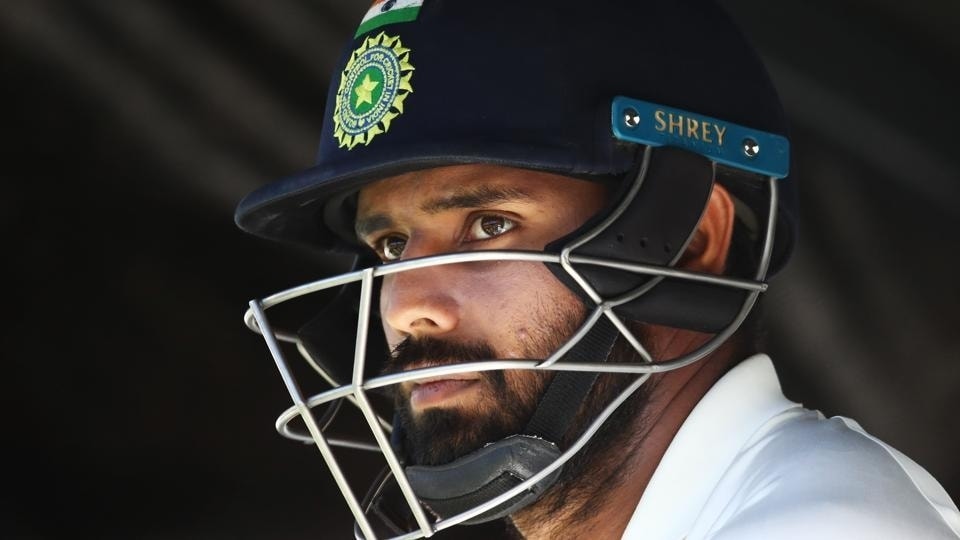
Indian batters might want to try and emulate Hanuma Vihari's approach in the 2018 MCG Test, where he played 66 deliveries as emergency opener to set the stage.

 Prefer HTon Google


One of the small indicators of how well a batting unit is performing is the point at which middle order batters enter the crease. Travis Head has been the best batter in the series so far, a couple of centuries and an 89 holding him at the top of the run-scoring list: India’s worst nightmare, consistently showing up to bat only when the new ball is already worn out.
At the Adelaide Oval, Head came out to bat in the 41st over, and blazed his way to a near-run-a-ball 140. In Brisbane, it was the 34th over, where he scored 152 in a massive partnership with Steven Smith. Australia didn’t necessarily have a lot of runs when Head came out to bat, but they had weathered the storm, seen out the new ball and ensured it was a sub-optimal Indian attack that would have a go at their most dangerous batter.
Compare this to India's number five, Rishabh Pant. In Adelaide, the wicket-keeper came in to bat in the 21st, and then the 15th overs. At the Gabba, it was the eighth. It's not great reading, and yet another symptom of India's poor performances with bat in these Tests, with their own x-factor exposed to the moving ball and asked to go against his natural game due to pressure.
The Border-Gavaskar Trophy heads to the Melbourne Cricket Ground, a historic stadium where India have travelled and conquered the Boxing Day Test in both 2018 and 2020. The first of those was a momentous one, meaning India had secured at least a draw in an away series in Australia — and while there were many fine performances, it was a relatively unheralded knock by Hanuma Vihari that set the foundation for one of the most important results in Indian cricket history.
A brave innings with the heat on
Chosen as a makeshift opener for the MCG Test, the always self-sacrificial and warrior-like Vihari played a 66-ball dig, demonstrating that even if all he did was soak up pressure, it was in the service of taking that pressure off the batters who were yet to come in that innings.
Vihari only scored eight runs, and was dismissed when just 40 were on the board, but in testing conditions, he had ensured Australia were wicketless in the first 20 overs.
With the shine gone from the ball, the platform was set for Mayank Agarwal and Cheteshwar Pujara to further grind it out, and also start scoring runs. Pujara went on to score a century in his typical death-by-a-thousand-cuts fashion, while skipper Virat Kohli joined him and scored a patient 82 of his own; the third wicket in that innings fell all the way in the 123rd over, when even the second new ball was dulled.
India batted for nearly two whole days at the MCG, putting up 443 in difficult conditions, with every batter earning the chance to show what they were capable - and in many ways, all thanks to Vihari's application against the searing new-ball pace of Starc, Hazlewood, and Cummins.
A leaf from Vihari's book for India's young guns
With the series level at 1-1 and heading India will be hungry for someone to bat like that for them and try to negate the shakiness the batting has displayed in these previous two Tests. And it isn't the case that the top order hasn't been capable of showing plenty of backbone: with the first match in Perth hanging in the balance, Jaiswal and Rahul batted brilliantly to see out 63 overs, with the third wicket only falling in the 93rd over.
KL Rahul has already shown a great degree of application and patience throughout this series, facing 470 deliveries, the most of anyone in the series. He has done well in protecting one end from being exposed to the new ball, meaning the expectation shifts to the likes of Jaiswal and Gill - both of whom are capable of using good technical defence, but have found themselves susceptible to expansive strokes that get them in trouble.
Early wickets has been a concern, with Jaiswal falling twice in the first over in these last four innings. In case that does happen, the crux lies with the number three in Shubman Gill, who will have to ensure that he allows himself to get settled and bat long in order to give his teammates the best chance of succeeding. He is capable of it, but it might require him to aspire to be the sort of self-contained and ego-free player that Vihari was for India in Melbourne.
If there is one thing fans will want to see, it is these top-order batters to knuckle in for the long run, understand that there is plenty of time in the Test match, and place high value on their wickets with that in mind.
Not everyone can be a Pujara, batting for 8 consecutive hours. But if someone can just be Vihari, that might be a small first step that could prove to be a big jump up in fortunes for a nervy Indian batting order.


