


 Live Score
 Cricket Teams
 Cricket Players
Home teams still hold the edge in 50-over cricket
As cricket has evolved, there are numerous aspects that have come into the game that could lessen the theory of home advantage

 Prefer HTon Google


After winning the first two World Cups in the 1970s, West Indies were an ODI side to be feared. With their explosive batting line-up and sizzling pace attack, in the 1980s the Caribbean team were more unbeatable at home than any other side in any other decade of one-day international cricket history, winning 89% of their matches on home soil. South Africa hit the ground running when they joined the 50-over format in 1991 and won 69% of the games they hosted in the 1990s. This century, Australia have consistently been the side to beat at home with India and New Zealand also improving their home record decade by decade.
But is it just down to home advantage or is a great team great wherever they are? When West Indies were beating everyone in their backyard forty years ago, they were also spoiling the summers of home fans wherever they went in the world, winning 71% of the time they were away from home; because they were just a formidable side at that time and the venue they played at didn’t change the fact that they were highly likely to win an ODI encounter.
As cricket has evolved there are numerous aspects that have come into the game that could lessen the theory of home advantage. For example, data, video analysis, live broadcast coverage, physiology training for different climates and altitudes; but putting all this theory based knowledge to one side, in the more recent years in the era of a rapidly expanding franchise cricket calendar, top players are not only learning about playing in different continents from spreadsheets and videos, but are out there experiencing the conditions first hand, playing cricket all over the world, all around the year. Albeit in the shorter format, players are continuously adapting their batting and bowling skills in different conditions, both with and against the other best players in the world. The Indian Premier League (IPL) had led the way in this by offering players an opportunity to play at all the major grounds in India for up to two months of the year.
With the exponential growth of the world wide T20 franchise programme, and there being fewer ‘secrets’ and surprises in the modern cricketing world over what a player or team will be facing away from home, there must come a time when the home advantage will be considerably diluted compared to when players would only experience a country’s conditions once every three or four years when they toured the nation. This Australian World Cup squad alone has more than 500 IPL appearances, with Warner, Maxwell and Smith all playing over 100 IPL games each.
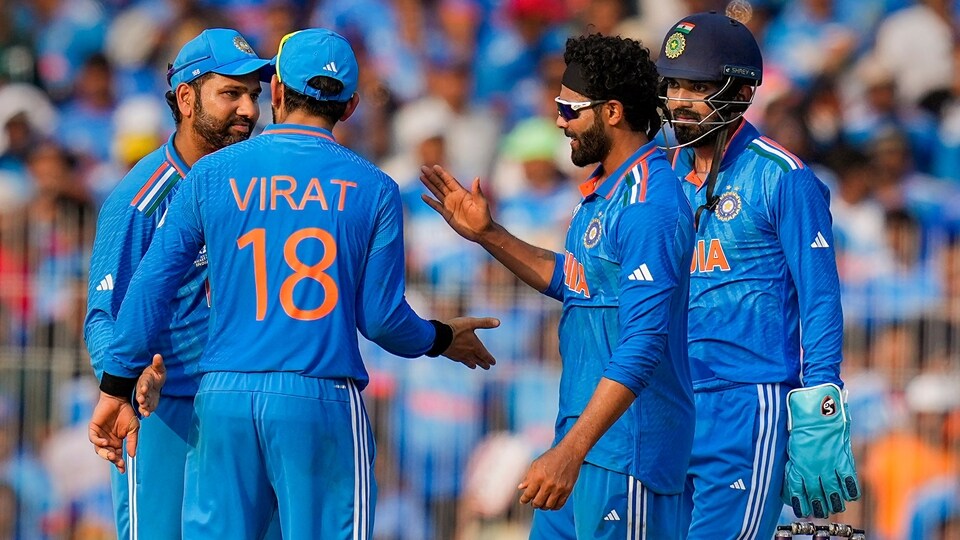
However, that theory doesn’t seem to have yet transferred into the 50-over game. The home teams’ superior form in the longer format is still very much apparent, and the last three World Cups have proved this with the hosts lifting the trophy. So, unlike the almost impenetrable West Indies side of the 1980s, the most dominant ODI teams of this century have been more comfortable playing at home. India, New Zealand and Australia have continued to improve their home ODI performances over time with the current World Cup hosts winning 19 of their last 25 ODI matches in India, whilst their away record has plateaued, or significantly decreased.
With regards to this World Cup, there is only one host and with India being one of the most experienced in the tournament, they are considered by many to be the favourites. They will be looking to continue the recent pattern of the host country emerging champions. However, once the 45-game group stage is complete, anything can happen in the knockouts as India will know all too well, having been knocked out at the semi-final stage of the last two World Cups.
New Zealand and Australia will be desperate to upset the script and have travelled to the World Cup with a highly experienced and talented squad full of players who know how to win ODIs. England, despite their poor form in India recently (33% win in the last decade) and the huge defeat in the opening game at Ahmedabad on Thursday, are the champions to be dethroned. South Africa should also be a team to keep an eye on, because despite their injury issues and replacements since they announced their original 15-man squad, they have the best win percent record in the longest white-ball format of all visiting sides in India in the last decade, coming out as victors in 62% of the fixtures.


