On Friday evening, Saurashtra skipper Jaydev Unadkat tweeted a picture of his team bonding over food on the ground following their first training session after quarantine. The photograph of players eating out of paper boxes also provided a peek into life in a bio-bubble for 38 state teams in the Syed Mushtaq Ali Trophy; the T20 meet starting on Sunday that marks the resumption of domestic cricket in India.
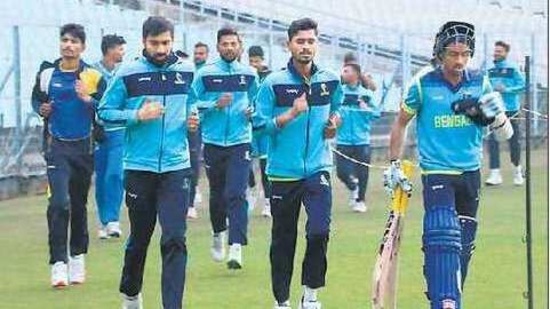
The joy of winning their maiden Ranji Trophy last March has long subsided for Saurashtra. A curtailed domestic calendar provided no prestige of playing the Irani Cup against a Rest of India side. Whether Saurashttra can defend the title will hinge on the safe and successful conduct of this T20 competition comprising 169 matches across seven cities and 17 venues. One which will also indicate if the Indian Premier League (IPL) can be staged at home in April.
Also Read | 'Pandya used abusive language, threatened me': Hooda pulls out of domestic T20s
The format
The league phase will be played till January 19 in Mumbai, Indore, Baroda, Kolkata, Bangalore and Chennai with teams divided into five Elite and one Plate groups. The winners of each group and the next best teams from the five elite groups, will move to Ahmedabad for the quarters with the final scheduled on January 31. All knockout games will be played at the newly refurbished Motera Sardar Patel stadium, a trial run for the new stadium before it hosts England next month.
Bio-secure hubs
{{/usCountry}}Bio-secure hubs
{{/usCountry}}Pulling off a domestic competition in a bio-secure environment is a much stiffer challenge for the Board of Control for Cricket in India (BCCI) as opposed to staging IPL in UAE. All teams have undergone six days of quarantine at designated hotels and cleared three Covid-19 tests before entering the bio-bubble. A player testing positive will have to follow the government policy of 14 days’ isolation effectively ruling him out of the tournament. Use of any public transport for travel to venues or emergency use is prohibited. RT–PCR tests, the gold standard for Covid-19 tests, are mandatory every fifth day.
Raina, Sreesanth in the mix
No crowd or media will be allowed but IPL scouts will be as this is the only chance to see non-India players ahead of next month’s auctions. While the likes of Hardik Pandya, Shreyas Iyer, Manish Pandey and KL Rahul are not playing, others such as Bhuvneshwar Kumar and Ishant Sharma, who missed the Australia due to injury, will be out to prove their match fitness ahead of the England series.
Shikhar Dhawan, Dinesh Karthik, Suryakumar Yadav and Krunal Pandya have been named captains of Delhi, Tamil Nadu, Mumbai and Baroda respectively. The experienced Suresh Raina, who skipped IPL13, will be playing under 20-year-old Priyam Garg’s captaincy for Uttar Pradesh and 37-year-old S Sreesanth, back after serving a seven-year ban for match-fixing, will be representing Kerala under Sanju Samson. Also in action will be Devdutt Paddikal (Karnataka) and Ruturaj Gaikwad (Maharashtra), the young batting attractions of IPL 13, and India’s best T20 leg-spinner Yuzvendra Chahal representing Haryana.