
 E-Paper



A dire warning from Joshimath
The land subsidence in the holy town shows the perils of undue development pressure on fragile ecosystems

 Prefer HTon Google


It’s considered a spiritual doorway to shrines in the Himalayas, a portal to the picturesque mountainscape and valleys of Uttarakhand, and a strategic pitstop near a sensitive border. But for the last few months, Joshimath has made news for a different and alarming reason – land subsidence, which has literally shaken the ground beneath the feet of its 10,000-odd residents , leaving cracks in 600 homes and holes in parts of the holy town. The risks of this disquieting phenomenon have been known since at least 1976, when a state government report first flagged it, but did not stop untrammeled infrastructure development or temper the enthusiasm of authorities in clearing projects such as the Char Dham highway project.
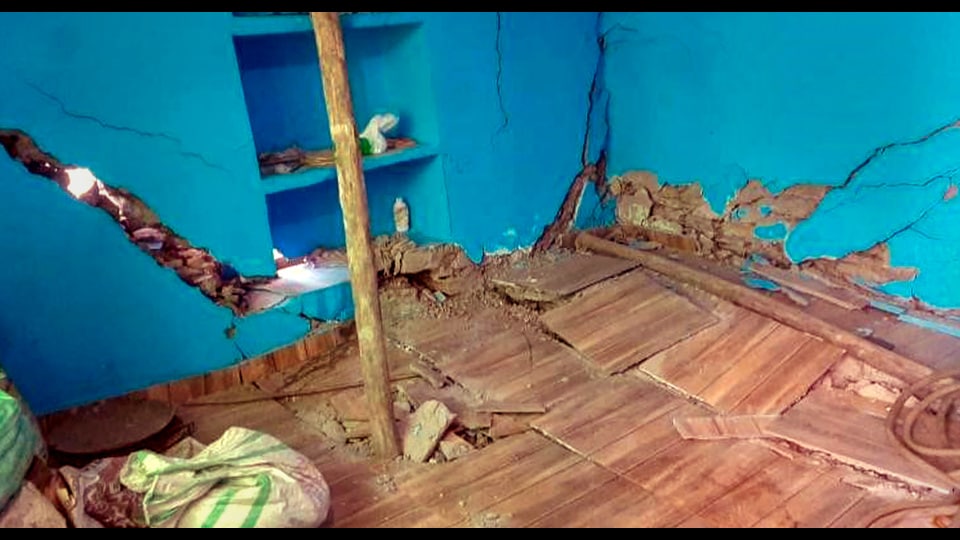
As noted in this newspaper previously, Joshimath sits in the middle slopes of a hill bounded by streams on the west and the east, and the Dhauliganga and Alaknanda rivers on the south and the north. An Uttarakhand State Disaster Management Authority (USDMA) study flagged that perennial streams, snow in the upper reaches, and highly weathered rocks with low cohesive characteristics made the area prone to landslides, a vulnerability further worsened by several floods in recent years and bursts of torrential, unseasonal rainfall. This natural susceptibility was made more acute by haphazard construction on fragile mountain terrains that blocked the natural flow of local streams, new tourist and residential buildings that put pressure on the slope, and a number of hydropower projects that disturbed natural water seepage and drainage systems.
These risks too were flagged early and are well known, yet neither governments nor citizens paid any heed, a story repeated time and again in cases of indiscriminate development of fragile ecosystems across the country. It is unfortunate that it has taken widespread panic and protests by local citizens to initiate action. While rescue, resettlement and rehabilitation will remain the initial focus, the government would do well to put in place strong oversight mechanisms to ensure that clearances for projects small and big are given only after adequate deliberation and technical consultation. Green approvals can no longer be seen as inconvenient impediments on the road to development, but as safeguards necessary to ensure that fragile ecosystems don’t collapse. Joshimath’s plight is a portend in the country where a raft of controversial projects are underway in ecologically sensitive zones. Not paying attention to the warning signs by the environment will exact a tremendous cost.


