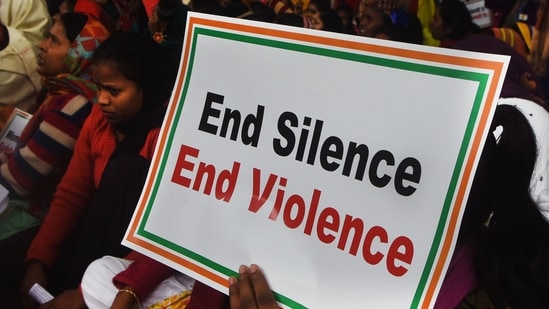
It was the winter of discontent. Delhi in December 2012 was in ferment, as thousands hit the streets of the Capital angry with the present and hopeful of a better future. The government was shaken, laws were changed, and the adult perpetrators of the crime that caused the outrage, hanged. Yet, a decade after the gangrape and murder of a medical student on December 16, has the landscape changed for women’s rights in the face of brutal violence?
It would
It was the winter of discontent. Delhi in December 2012 was in ferment, as thousands hit the streets of the Capital angry with the present and hopeful of a better future. The government was shaken, laws were changed, and the adult perpetrators of the crime that caused the outrage, hanged. Yet, a decade after the gangrape and murder of a medical student on December 16, has the landscape changed for women’s rights in the face of brutal violence?
It would be wrong to say that the movement didn’t have any impact at all. It normalised conversations around gender rights, violence, harassment and abuse; it pushed the envelope among conservative people on what freedoms for women could mean, and showed the power of a new generation in reimagining rights — not just for women, but also for queer and trans, marginalised and disabled persons. Stronger laws led to more stringent, if somewhat inconsistent, police action, and led to progress in legislation and prosecution in other areas.
But this decade has also shown us the limitations of an emancipation model too focused on laws and not enough on mindsets. What began as a churn for protection of women from violence has far too often tipped into mob-fuelled frenzy (think of the controversial encounters of people accused of sexual crimes) and communal tropes. There is only recent acknowledgement that a chunk of violence faced by women is at the hands of people they know, often in the home, sometimes by intimate partners. And it has largely failed to articulate the realities of caste-marginalised women. This is natural — previous epochs in the women’s movement (Mathura 1972, Vishakha 1997) had their successes and failures. And if there’s one lesson to take from this decade, it is this: The law is important but can only do so much.
One Subscription.
Get 360° coverage—from daily headlines
to 100 year archives.
Archives
HT App & Website