A new version of the late US Senator Lindsey Graham’s parting gift to the world, a bipartisan bill seeking imposition of tariffs on third-party buyers of Russian oil and gas, seems to be, at face value, a climbdown from its original avatar. From a blanket 500%, penal tariffs have been reduced to a maximum of 100% on the top five buyers, which include India and China. If the US Congress passes this bill, it may be the first legislative instance of
A new version of the late US Senator Lindsey Graham’s parting gift to the world, a bipartisan bill seeking imposition of tariffs on third-party buyers of Russian oil and gas, seems to be, at face value, a climbdown from its original avatar. From a blanket 500%, penal tariffs have been reduced to a maximum of 100% on the top five buyers, which include India and China. If the US Congress passes this bill, it may be the first legislative instance of tariffs, rather than sanctions and embargoes, being used as a weapon to undermine an adversary’s war efforts by punishing the latter’s supposed trade allies.
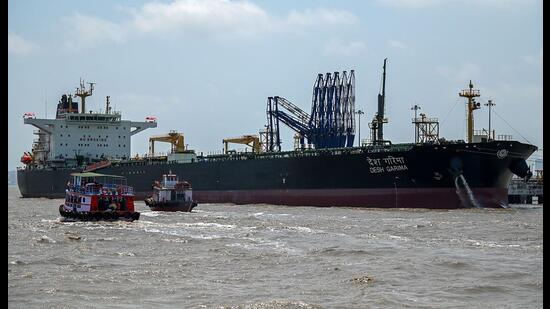
The Russia sanctions bill, endorsed by US President Donald Trump, has obvious implications for India’s energy security quest. Russia alone accounted for “more than half” of India’s oil imports in June, according to petroleum ministry data. The ongoing crisis in West Asia had exposed 45-50% of India’s peacetime crude oil imports via the Strait of Hormuz — which accounts for around 20% of the global oil trade — to uncertainty. New Delhi has been ramping up its diplomatic outreach to source alternative crude and LPG supplies to meet its energy needs.
It could also reopen a chapter that both India and the US seemed to have put behind them. Trump’s penal tariffs via executive order last year held up a long-pending trade deal between India and the US. Those tariffs were struck down by the US Supreme Court and both sides resumed negotiations for a balanced deal. A framework is ready but a final deal has not been signed yet. The new threat of 100% tariffs, even if the bill doesn’t go through, complicates matters.
The timing is inconvenient. A prolonged era of energy uncertainty, owing to the geopolitical conflicts of source countries, may lead India to consider suboptimal outcomes just to tide over a potential crisis. This era of heightened globalised anxiety, exacerbated by the unpredictability of Trump’s actions, in effect, just needs to be waited out.
One Subscription.
Get 360° coverage—from daily headlines
to 100 year archives.
Archives
HT App & Website