The US has been courting India about setting up a joint lunar base. A month after Nasa’s invitation to Isro, US ambassador to India Sergio Gor reiterated the intent. This is undoubtedly a recognition of both Isro’s repertoire of skills across a range of space operations as well as India’s growing ambitions as a space leader.
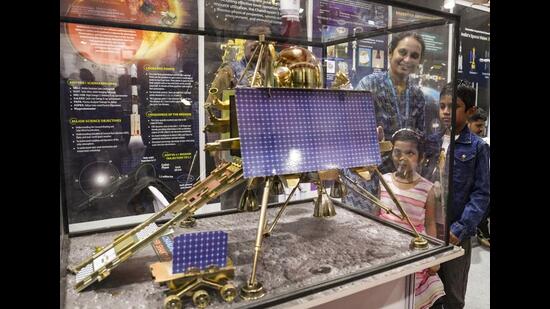
Over the decades, Isro has demonstrated superior technological and operational ability that has, at times, even surpassed Nasa’s. Chandrayaan-3’s remains the world’s only soft
The US has been courting India about setting up a joint lunar base. A month after Nasa’s invitation to Isro, US ambassador to India Sergio Gor reiterated the intent. This is undoubtedly a recognition of both Isro’s repertoire of skills across a range of space operations as well as India’s growing ambitions as a space leader.
Over the decades, Isro has demonstrated superior technological and operational ability that has, at times, even surpassed Nasa’s. Chandrayaan-3’s remains the world’s only soft landing on the lunar South Pole, a notoriously difficult and, thus, largely unexplored terrain. This seems particularly important for the US’s Moon base plans given its first phase envisages robotic missions to the lunar South Pole that demonstrate technological soundness and establish the foundations of a sustained presence. Isro’s almost legendary bootsrapping skills, born out of necessity, is one of the strengths Nasa may be looking to harness.
Given India is a signatory to the US-led Artemis Accords, a set of principles for civil exploration of space and bodies such as the Moon and Mars as well as their use, there is a template for the kind of collaboration the US is proposing. This partnership may emerge in accordance with the guidelines on interoperability and open scientific data. There could be certain strategic advantages in locking step with one of the two top space powers amid the new space race. China, too, is eyeing its own lunar mission, with a permanent base and robotic and human landings by 2030. While much of this collaboration appears positive, India needs to consider the invitation — coming at a time when Isro is trying to assuage employee angst over privatisation fears — keeping in mind its own priorities and autonomy. Travelling together cannot come at the cost of becoming the side act to a competitor.
One Subscription.
Get 360° coverage—from daily headlines
to 100 year archives.
Archives
HT App & Website