
 E-Paper



Bengal mayhem: Nab the culprits
West Bengal chief minister Mamata Banerjee must take the responsibility of ending the culture of political violence

 Prefer HTon Google


Even by the gory standards set by the bloodied political history of West Bengal, the recent killing of eight people allegedly as revenge for the killing of a local political leader, is shocking. Initial reports say violence broke out in Bogtui village of Birbhum district on Monday night, shortly after a Trinamool Congress (TMC) politician was killed in public. Most of the victims, whose bodies are charred beyond recognition, are women and children. Despite politicians and reporters thronging the village, reports say many local residents are too scared to return to their homes.
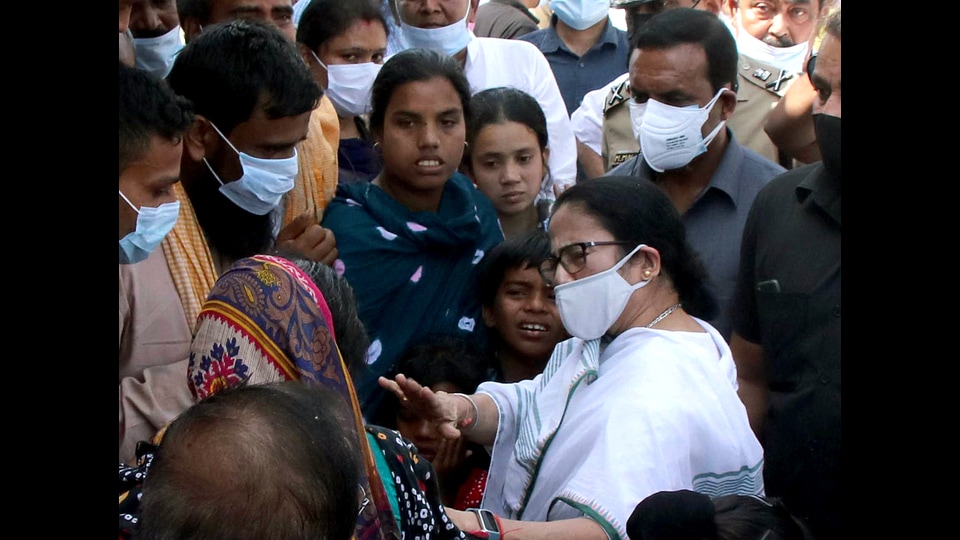
Unfortunately, the response to this extraordinary act of brutality has been anything but prompt. A couple of police officers were removed, the victims given compensation, the government and the governor’s office hurled barbs at each other, and the chief minister (CM) hinted that it was a conspiracy to defame her regime. It is true that acts of violence have been embedded in Bengal’s political fabric since before Independence, and have been actively patronised by successive regimes. But it is also true that such strong-arm tactics have been honed by the TMC to expand its political hegemony, especially in the countryside and at the grassroots level. What has abetted this is a pliant law and order machinery that seems to dither every time members of the ruling party are involved. Despite public outcry over successive incidents — the outrage over the murder of political activist Anis Khan had barely died down when the Bogtui massacre occured — local political leaders continue to think of themselves as above the law.
Political cultures don’t change overnight, and they definitely don’t change of their own accord. As the state’s CM and also home minister, who is the reporting authority for the state police, Mamata Banerjee must take responsibility to ensure that law enforcement agencies are surefooted, prompt and fair in taking action against culprits, irrespective of their political affiliation. She, and other leaders of the TMC, have to make it clear to their ranks that acts of violence will carry heavy penalties and political patronage will not be extended. Curbing the endless cycle of political violence can be her enduring legacy. On the flip side, history will not be kind to an administration that didn’t act when factional fights took innocent lives. The time for homilies is over.


