The Allahabad High Court’s order quashing the preventive detention of student activist should be read carefully, not just by the Gautam Buddha Nagar administration whose conduct came under sharp censure, but also by bureaucrats and police officers sometimes too eager to signal their political allegiance by slapping draconian provisions on protesters. Against the backdrop of the lower judiciary often slow-pedalling politically sensitive cases, the judgment also offers a template for how constitutional courts must treat stringent laws as extraordinary provisions
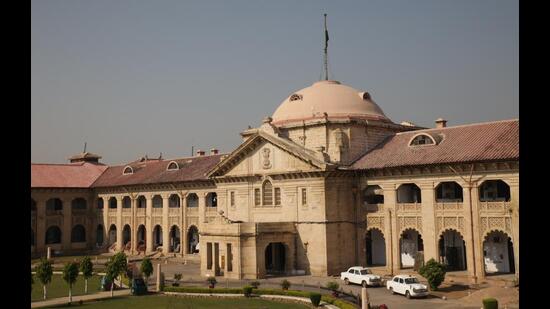
The Allahabad High Court’s order quashing the preventive detention of student activist should be read carefully, not just by the Gautam Buddha Nagar administration whose conduct came under sharp censure, but also by bureaucrats and police officers sometimes too eager to signal their political allegiance by slapping draconian provisions on protesters. Against the backdrop of the lower judiciary often slow-pedalling politically sensitive cases, the judgment also offers a template for how constitutional courts must treat stringent laws as extraordinary provisions that should be used sparingly and rigorously backed up by evidence, not as a blunt instrument to stymie dissent.
The facts of the case, as laid out by the high court order, are jarring. A notice under Section 130 of the Bharatiya Nagarik Suraksha Sanhita, ostensibly issued before the activist’s arrest, carried a general diary number that could only have been generated after she was taken into custody. When the shameful fabrication of records was pointed out by the court, the administration had no answer. The bench also found that the WhatsApp messages and videos did not contain “a single message” or video showing that the activist incited people to riot. Such inconsistencies prompted the high court to rebuke district magistrate Medha Roopam, saying that her conduct was “worthy of derision” and that she likely violated her oath of office by trying to make an “example” out of the activist. It is a damning indictment of a bureaucrat, and should prompt her to course correct, if only to match the dignity of the office she holds.
Beyond the particulars of the case, unfortunate as they are, the verdict holds wider lessons. Far too often, courts shy away from imposing accountability on erring bureaucrats and police officers — even in this case, the lower courts rubber-stamped the detention. This should not be the norm, and the judiciary must ensure that strict provisions don’t become levers of executive overreach. In warning that some officers who forget their oath to the Constitution risk reducing Uttar Pradesh to “an Orwellian Dystopia”, the court has underlined a disturbing trend among senior officers to privilege narrow career and political concerns over the demands of the country’s founding document. It isa shame that a constitutional court had to use a global totem for repression and authoritarianism to describe the conduct of officers in charge of governing the world’s largest democracy. It cannot be allowed again.
One Subscription.
Get 360° coverage—from daily headlines
to 100 year archives.
Archives
HT App & Website