
 E-Paper



EWS ruling will shape quota law
The Supreme Court judgment on economically weaker sections will influence future policy debates and fresh demands for quotas

 Prefer HTon Google


India’s affirmative action programme is shaped by two landmark events. The first was in the 1950s when a young country was looking to uplift millions out of destitution. In the face of judgments striking down caste-based quotas as unconstitutional, the government amended the Constitution to explicitly state that reservation to uplift a section of society was not violative of the doctrine of equality. The second was in the 1990s, when the country was in churn over movements (and counter-movements) around quotas for backward groups. A 1992 watershed verdict of the Supreme Court (SC) ruled that quotas were lawful, but fixed a 50% upper ceiling and said well-to-do sections of a community were not eligible to avail quotas, creating the concept of creamy layer.
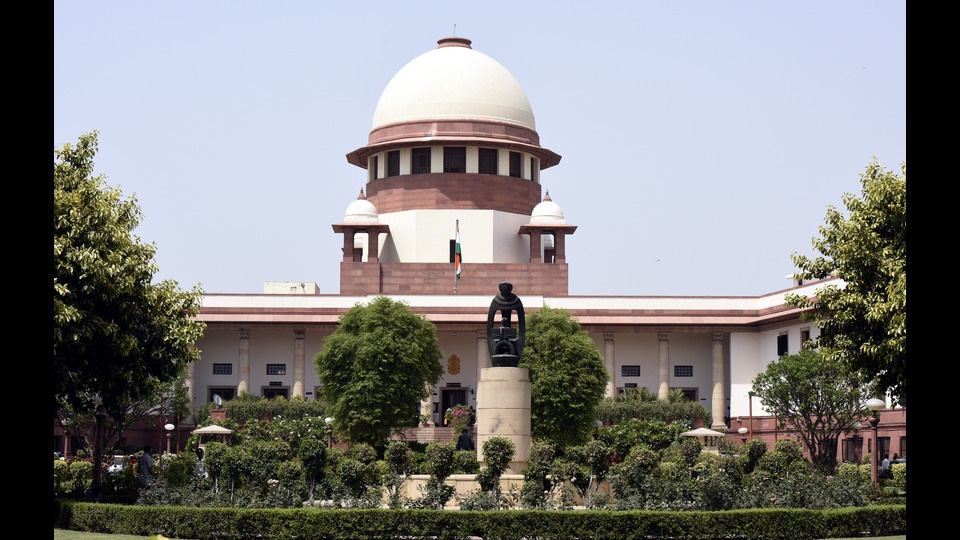
Monday may well be a third such event. By a 3-2 verdict, the SC upheld the 103rd Constitution Amendment Bill that created 10% reservations for economically weaker sections (EWS). Created in January 2019, months before general elections, the EWS quota was politically difficult to oppose, given it was packaged as a pro-poor move, though by excluding groups already under the reservation umbrella, it was effectively a pitch to upper castes and dominant communities. Three judges of the court backed the quota while two others opposed it, but mainly due to the fact that scheduled castes, tribes and backward groups were excluded even though these sections make up the bulk of India’s poor.
The SC’s split decision marks a pivotal moment for three reasons. One, by saying that the 50% cap for quotas in public jobs and education was desirable but not inflexible or inviolable (and holding that the context of whether it was obtained under Articles 15(4), 15(5) or 16(4) of the Constitution is important), the verdict may open the door for further movement around fresh quota demands. Given economic distress and shrinking government employment, it is almost certain that more communities will clamour for quotas in the future. Two, for the first time, an economic yardstick will be the sole criteria to determine eligibility for an affirmative action programme. This breaks from precedents and past definitions of backwardness that always pivoted on socioeconomic conditions and histories of oppression. Given that surveys show large sections of India’s population back income-based quotas, it remains to be seen how economic parameters shape the reservation mechanism in the years to come. And three, with the EWS quota in place, an overwhelming majority of the country is now eligible for one form or other of reservation. It will be interesting to see whether this expansion changes the politics around reservation, especially the vocal opposition of upper caste groups and the now debunked link between quotas and merit.


