Is there a limit to how much reform an economy can take? The June quarter GDP figures have surprised many by registering 5.7%, the lowest growth rate since Prime Minister Narendra Modi was elected. The continuing fall in industrial production, down to just over 1% growth, was largely to blame. Critics have been quick to blame demonetisation and the introduction of the goods and service tax. The new bankruptcy code and the cleaning up of the real estate sector are also darkening the horizon. There can be no doubt all that of these have had a role to play, but it is also true India’s GDP growth rate had started to droop even before demonetisation. As is normally the case, there are multiple reasons for what afflicts the economy. But slowing down on reforms is not the solution.
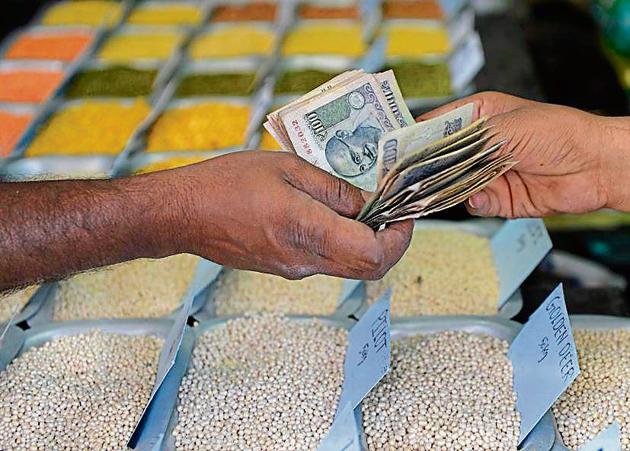
It should not be forgotten that one of the key drivers of growth before 2008-09, exports is now a shadow of what it once was. The banking sector crisis and corporate debt problem were legacies of the past government. The Modi government’s decision to go ahead with major structural reforms despite these conditions was commendable. It is important to get a sense of what the combination of these reforms will do the economy. Demonetisation, GST and real estate reforms will massively reduce the cash based informal sector of the Indian economy — as much as half the country’s GDP. The end result of this will be a greater formalisation of the economy which will mean better productivity, better quality jobs and higher tax revenue — all of which in time will serve the Indian economy for decades to come. But the disruption of the informal sector as well as the teething problems regarding GST will inevitably bring about short-term pain to the economy in the form of job losses, fall in demand and contraction of industrial activity.
The real danger for India is that the Modi government, with a number of state elections looming and a national election that must be held by early 2019, may decide to slide back into populism. As it is, the ruling party’s political narrative of being untainted by corruption and the nemesis of crony capitalism has made it reluctant to use government funding to resolve the bad loan problem among the banks — one reason this continues to fester and a contributor to the country’s industrial recession.
{{/usCountry}}The real danger for India is that the Modi government, with a number of state elections looming and a national election that must be held by early 2019, may decide to slide back into populism. As it is, the ruling party’s political narrative of being untainted by corruption and the nemesis of crony capitalism has made it reluctant to use government funding to resolve the bad loan problem among the banks — one reason this continues to fester and a contributor to the country’s industrial recession.
{{/usCountry}}There is some silver lining in the latest round of economic statistics. There is some evidence of corporations improving their financial conditions and signs of a real estate revival. The government’s real focus should be ironing out the creases that are evident in the reforms it has carried out, pushing forward its ambitious mass digital and financial inclusion plans, and sorting out the many regulatory problems that continue to make India such a difficult place to do business. There is a temporary trade-off between growth today and greater growth tomorrow.