
 E-Paper



Israel-Iran hostilities deepen region's pain
Israel claims to have wiped out Hamas and Hezbollah leadership but has not stopped from expanding the conflict deep into Lebanon.

 Prefer HTon Google


The conflict in West Asia has taken a turn for the worse with Israel firing a barrage of missiles at Iran Saturday in retaliation to a similar attack by the latter on October 2. Tehran’s attack, in the first place, was in response to Tel Aviv killing multiple Iranian officials, accusing them of involvement in terror strikes in Israel.
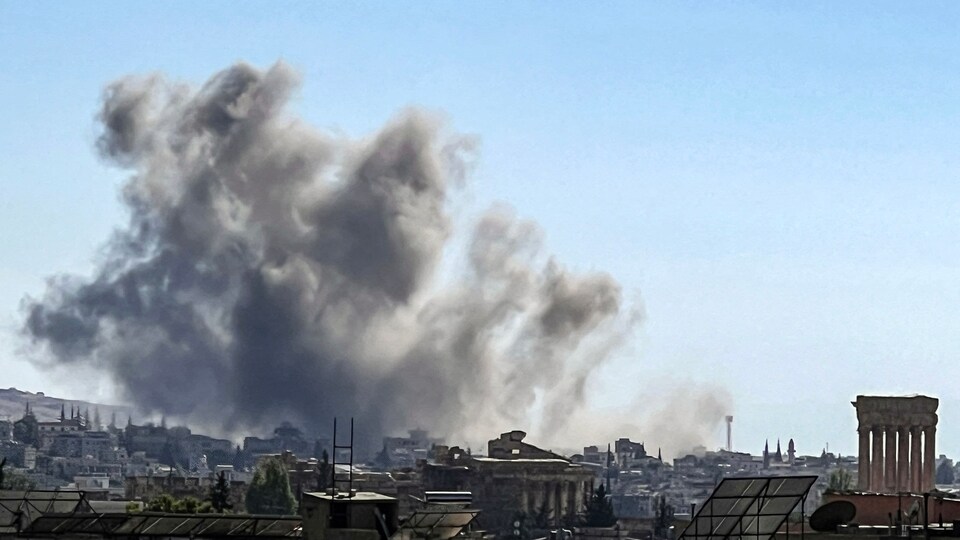
It would be overly optimistic to interpret Saturday’s incident as the closing act of a chain of events where two countries carried out spectacular missile attacks that caused limited damage on the ground. Sure, Israel did not hit Iran’s nuclear installations and oil fields but claimed to have targeted the latter’s missile production sites. And leaders of both countries undertook attacks and counterattacks to emphasise the legitimacy of their regimes as ones that protect their citizens in the face of a threat from the “enemy”. But, it is hard to see Tehran not responding to Saturday’s event. The actors in this conflict may think that the action can be restricted to a defined geography, but a war can’t be a choreographed event. A miscalculation regarding the terms of engagement can change the contours of the conflict, widen the war, and push the world into an abyss.
Israel claims to have wiped out Hamas and Hezbollah leadership and has levelled Gaza in response to last October’s terror attacks but has not stopped from expanding the conflict deep into Lebanon. Tel Aviv hasn’t spared even UN agencies involved in relief work. Which is why the global powers need to intervene with Israel. There are no winners in this war.


